
Ranger 5eClass Guide & NPC Generator
Archetypes, the spell list and slots, Hunter’s Mark and the stats that matter — then forge a finished ranger NPC, portrait and all, without typing a thing twice.
A ranger is the one who saw it first. Half-caster, full martial: Extra Attack and medium armour, plus enough nature magic to mark a target, silence a corridor, or move a forest into the enemy’s path.
Choose your subclass
Ranger Subclasses — The Archetypes
The archetype is where the ranger stops being average and starts being frightening. Choose one; the forge follows.
The classic
Hunter
Colossus Slayer adds damage to any wounded target, every turn, no resource. The simplest ranger and the most consistently useful.
Full Hunter guide →The Forge
Forge Hunter Ranger
Everything you have chosen travels with you and arrives pre-filled. Nothing to type twice — just press Generate.
Hunter · level 5 · pre-filled for you
Role in party
The Skirmisher
Ranger = the party’s ranged skirmisher and pathfinder — steady single-target damage, real utility, and the eyes out front.
You want to strike from range, scout ahead, and carry the exploration pillar while still pulling your weight in a fight.
Forged this morning
The Border Scout
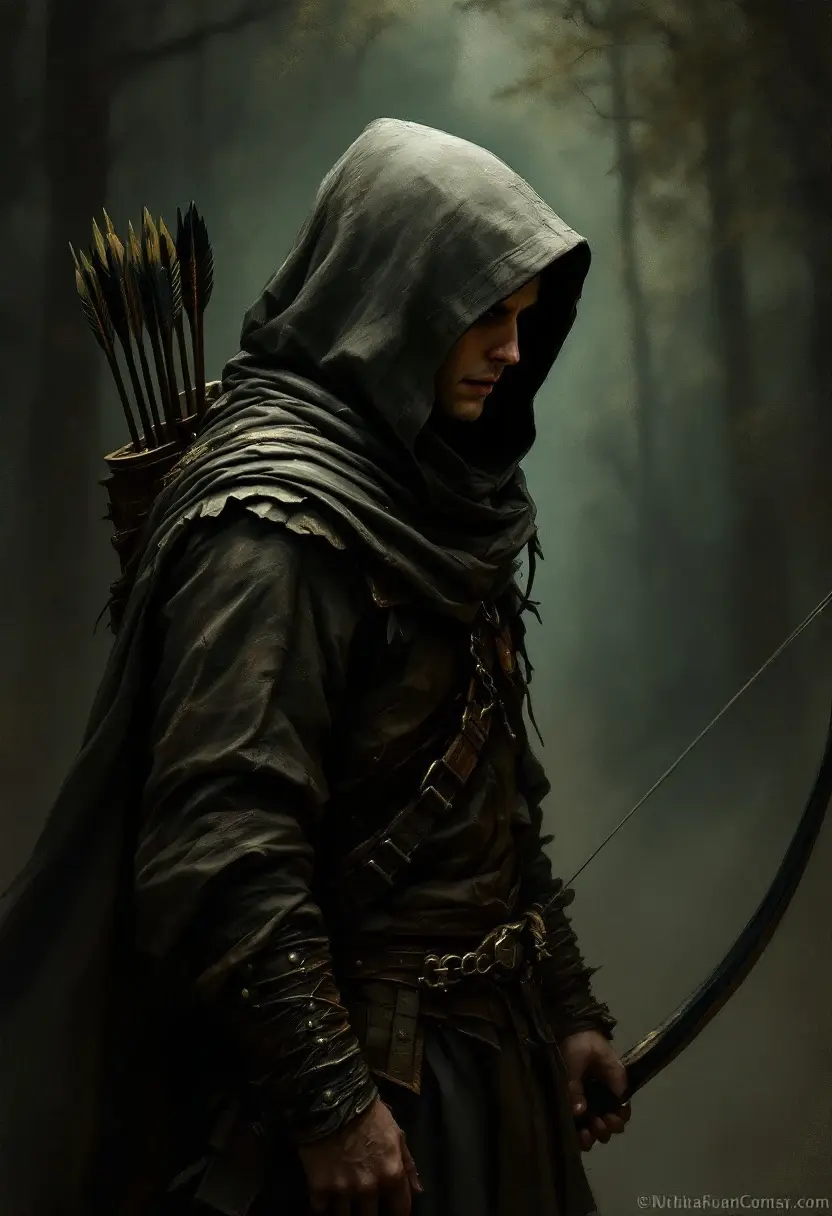
Hunter · Level 5 · Neutral Good
Corrin Ashgrove
Talks about as often as he misses. Has walked the same forty miles of border for eleven years and knows every tree that changed — including the ones that should not have.
Chosen lineage
Best Races for a Ranger
Dexterity is the whole engine, with Wisdom a distant second — so the best lineages pump DEX or hand you a wilderness edge.
Wood ElfGUIDE →
The archetypal ranger chassis: both key stats, Mask of the Wild, and a faster move to keep your distance.
Variant HumanGUIDE →
Sharpshooter at level 1 turns the archer build on immediately — the fastest ranger to come online.
Half-ElfGUIDE →
Two floating points into DEX and WIS plus extra skills — a well-rounded scout and a strong party face.
HalflingGUIDE →
Lucky rerolls and Nimbleness keep the light, mobile skirmisher alive and hard to pin down.
DragonbornGUIDE →
For the rare two-weapon melee ranger — the breath weapon covers the ranged blind spot the build leaves open.
The wild edge
Favoured Enemy & Exploration Features
The 2014 ranger’s exploration kit — situational on paper, campaign-defining at the right table.
Combat doctrine
Fighting Styles
Chosen at level 2 alongside spellcasting — it quietly decides whether you fight at range or up close.
Archery
The default. Feeds the bow build straight into Sharpshooter.
Defense
For the melee or skirmish ranger who takes hits.
Dueling
One weapon and a free hand — steady melee damage.
Two-Weapon Fighting
The dual-wield build, with more Hunter’s Mark triggers per turn.
Where the points go
Ranger Builds — Where the Points Go
Dexterity does four jobs. Wisdom only does one — which is why it can wait.
Archer (the default)
Archery style plus Sharpshooter. Dexterity is attack, damage, armour class and initiative — Wisdom only powers your spells.
Two-weapon melee
Dual wield with Hunter’s Mark up. Same stats, closer range, more Hunter’s Mark triggers per turn.
Spell-forward / Fey
Fey Wanderer and Swarmkeeper lean on save DCs and Wisdom riders. Only build where Wisdom competes for first.
Top picks
Best Feats for a Ranger
The ranger lives on ranged attacks and concentration — so the best feats buy more damage or protect Hunter’s Mark.
Multiclass combos
Best Ranger Multiclass Combos
A few levels of ranger buy Archery, a Fighting Style and Hunter’s Mark — cheap, powerful splashes in both directions.
Ranger / RogueGUIDE →
Sneak Attack stacks on every Hunter’s Mark shot, and Expertise turns the scout into the party’s best skill monkey.
Ranger / FighterGUIDE →
One level adds a second Fighting Style and Second Wind; two adds Action Surge for a devastating alpha strike.
Ranger / DruidGUIDE →
Both key off Wisdom — a Wildshape scout and controller who still shoots, leaning hard into the nature theme.
Armory
Best Ranger Equipment by Tier
What to carry as you level — from a starting longbow to an Oathbow.
The Field Kit
Spell List
Rangers know a small fixed list, learned from level 2 — so Hunter’s Mark and Pass Without Trace carry most of it.
Half-caster
Spell Slots by Level
| Ranger level | 1st | 2nd | 3rd | 4th | 5th |
|---|---|---|---|---|---|
| Level 1 | — | — | — | — | — |
| Level 2 | 2 | — | — | — | — |
| Level 3 | 3 | — | — | — | — |
| Level 4 | 3 | — | — | — | — |
| Level 5 | 4 | 2 | — | — | — |
| Level 6 | 4 | 2 | — | — | — |
| Level 7 | 4 | 3 | — | — | — |
| Level 8 | 4 | 3 | — | — | — |
| Level 9 | 4 | 3 | 2 | — | — |
| Level 10 | 4 | 3 | 2 | — | — |
| Level 11 | 4 | 3 | 3 | — | — |
| Level 12 | 4 | 3 | 3 | — | — |
| Level 13 | 4 | 3 | 3 | 1 | — |
| Level 14 | 4 | 3 | 3 | 1 | — |
| Level 15 | 4 | 3 | 3 | 2 | — |
| Level 16 | 4 | 3 | 3 | 2 | — |
| Level 17 | 4 | 3 | 3 | 3 | 1 |
| Level 18 | 4 | 3 | 3 | 3 | 1 |
| Level 19 | 4 | 3 | 3 | 3 | 2 |
| Level 20 | 4 | 3 | 3 | 3 | 2 |
The Long Patrol
Features by Level
From the forge
Rangers Made Here
Six archetypes, six wildernesses. Take any one — the whole build travels with it.
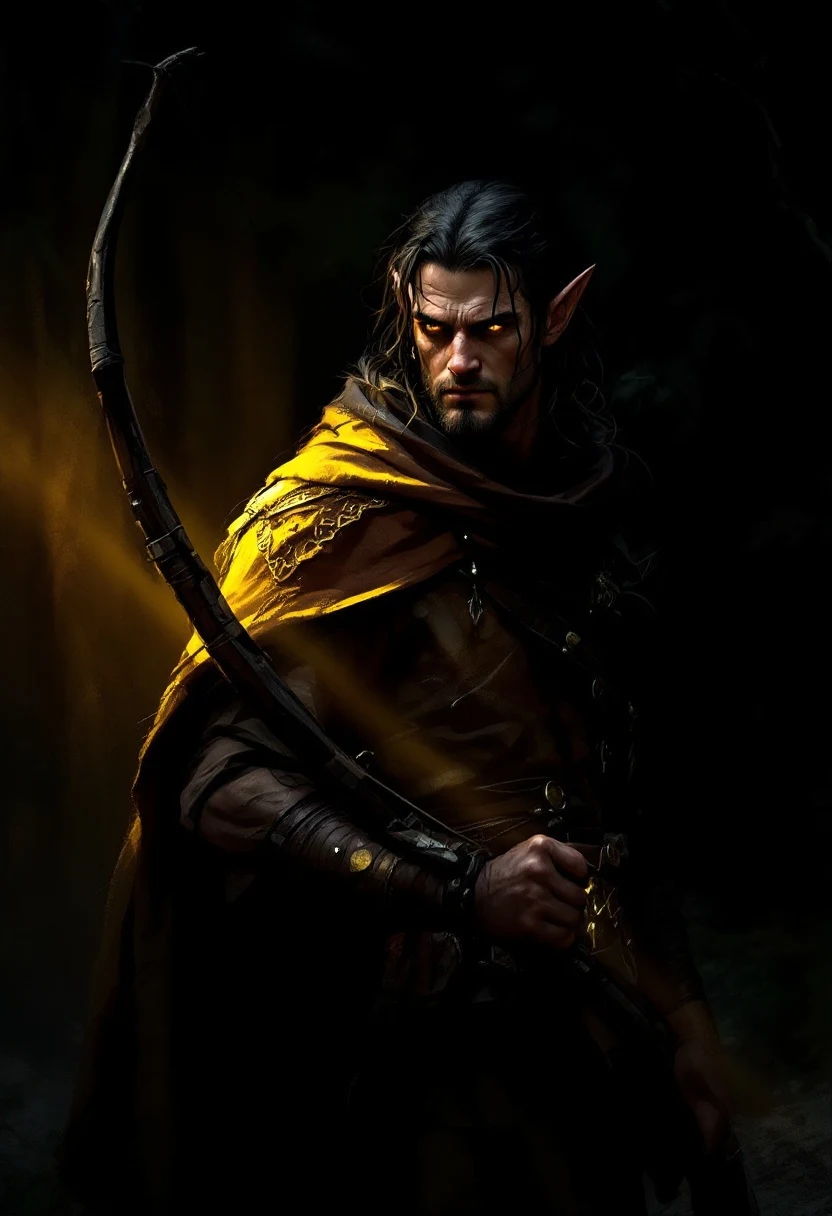
Corrin Ashgrove
Talks about as often as he misses. Has walked the same forty miles of border for eleven years and knows every tree that changed.
Use this build →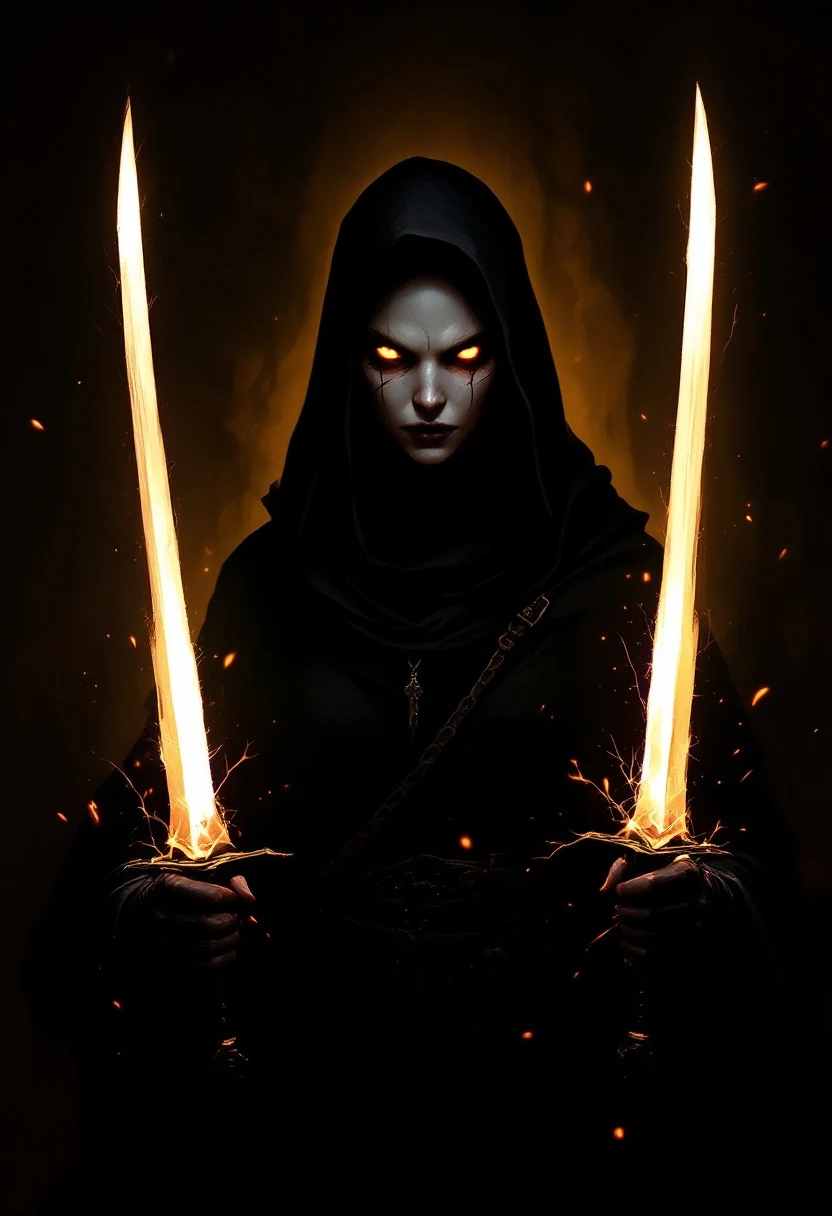
The Quiet of Dusk
Nothing with darkvision has ever seen her coming. The first round is usually the only round.
Use this build →
Old Maeve
Speaks to the wolf more than to people, and the wolf is better company. They have buried two owners together.
Use this build →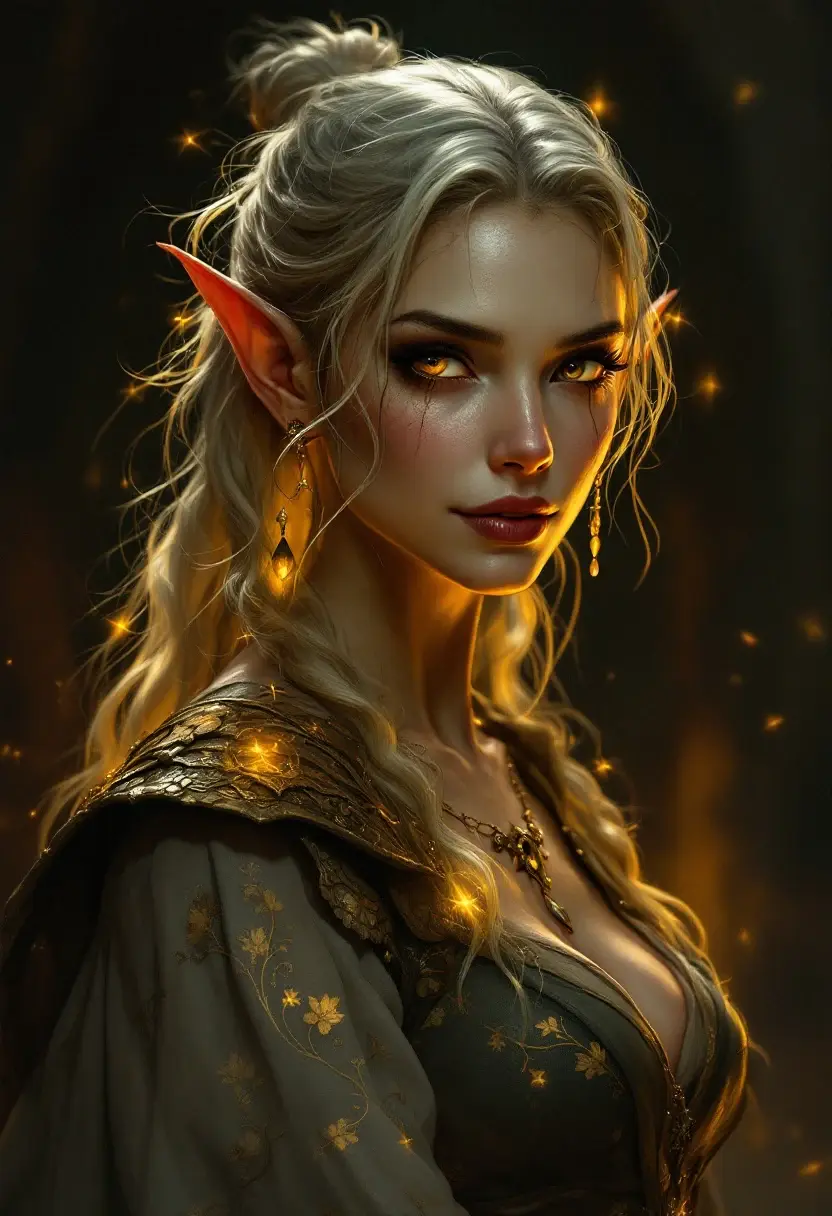
Sylwen Thornlight
Delightful company. Every arrow also whispers something you would rather not have heard.
Use this build →
Bran Ulfgar
Keeps a journal of what each thing is afraid of. Your problem is already on page forty.
Use this build →
Nix Hollowreed
The cloud around him is not insects, exactly. He insists they are friendly. They move people, so nobody argues.
Use this build →Counsel
Frequently Asked
What is a ranger in D&D 5e?
A wilderness warrior and half-caster: martial weapons, medium armour, Extra Attack, plus a small nature spell list from level 2. Rangers track, ambush and fight at range — the party’s scout who can also carry a fight.
How do I build a ranger in 5e?
Max Dexterity — it is your attack, damage, armour class and initiative. Wisdom next, but only for spell save DCs, so it can wait. Take Archery at level 2, keep Hunter’s Mark up, and pick Gloom Stalker or Hunter at 3.
What is the best ranger subclass?
Gloom Stalker, and it is not close: invisible to darkvision, plus a big extra attack and damage on the first round of every fight. Hunter is the simple, reliable pick. Beast Master depends heavily on whether your table uses the 2024 companion rules.
What spells should a ranger take?
Hunter’s Mark is the whole class — take it and keep it up. Then Pass Without Trace at 2nd (the strongest stealth effect in the game, +10 to the whole party), Spike Growth for control, and Conjure Animals at 3rd if your DM allows it.
What are the best stats for a ranger?
Dexterity first for almost every build — attack, damage, AC and initiative all key off it. Constitution second to hold Hunter’s Mark concentration. Wisdom third; it only sets your spell save DC, which most rangers rarely lean on.
Is the ranger a weak class?
The 2014 base class had a reputation for weak level-1 features (Favoured Enemy and Natural Explorer often do nothing). The subclasses fix it — Gloom Stalker is genuinely top tier — and the 2024 revision rebuilt the class outright.
Ranger vs Fighter — which should I play?
Fighter gets more attacks, more armour and Action Surge. Ranger gets spells, Hunter’s Mark damage, Pass Without Trace and actual exploration utility. Play a fighter to win the fight; a ranger to win the journey and still fight well.
Take Point
Read the rules, choose your archetype, and forge the ranger — all on one page. Your first is free.
Forge a Ranger NPC