D&D Worldbuilding · Adventure
Quest GeneratorGenerate a D&D quest — goal, complication, reward and a twist.
A plot hook that survives contact with the players. Who wants what, why it is not simple, what it pays, and the turn you did not see coming.
Made here
Start From a Ready Quest
Take any one as a starting point — the settings travel with it into the generator.
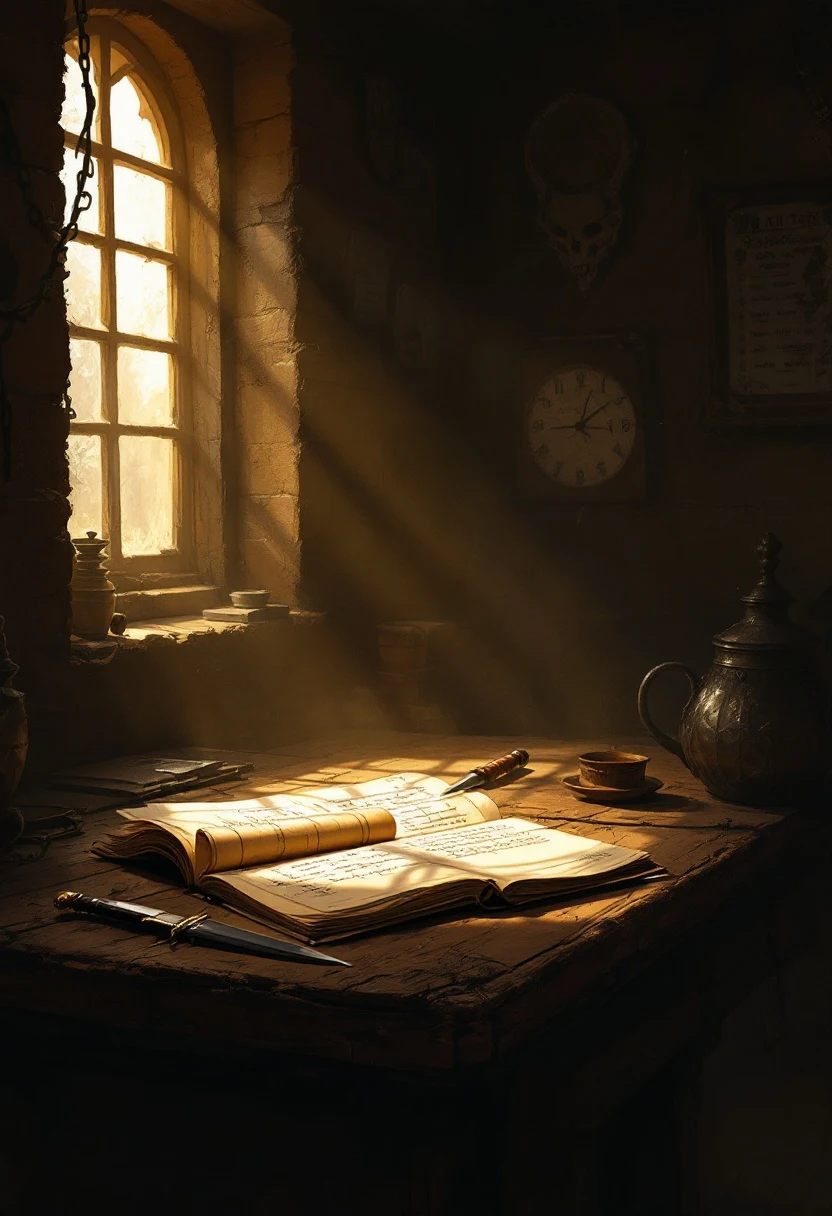
The Missing Ledger
A simple retrieval that turns out to be blackmail with a body attached.
Use this setting →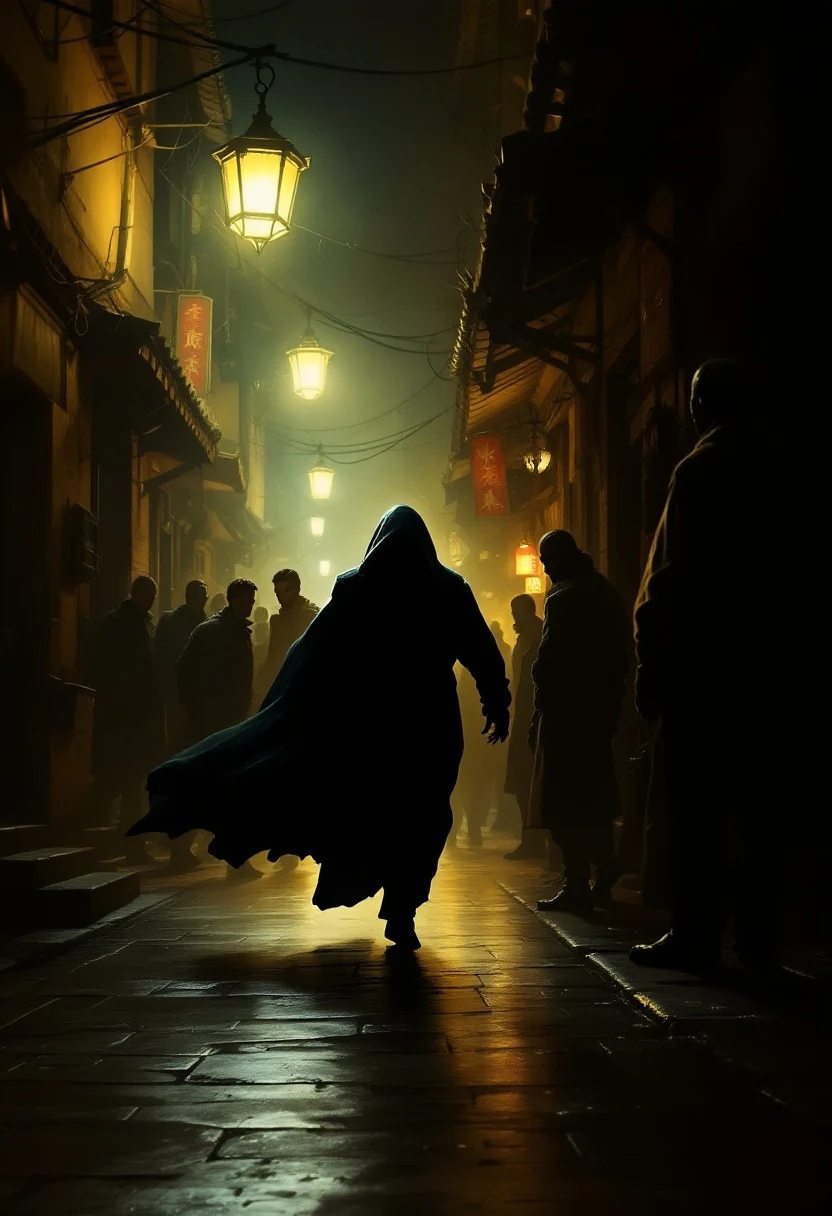
The Night Market Murders
A mystery where every suspect is lying about a different thing.
Use this setting →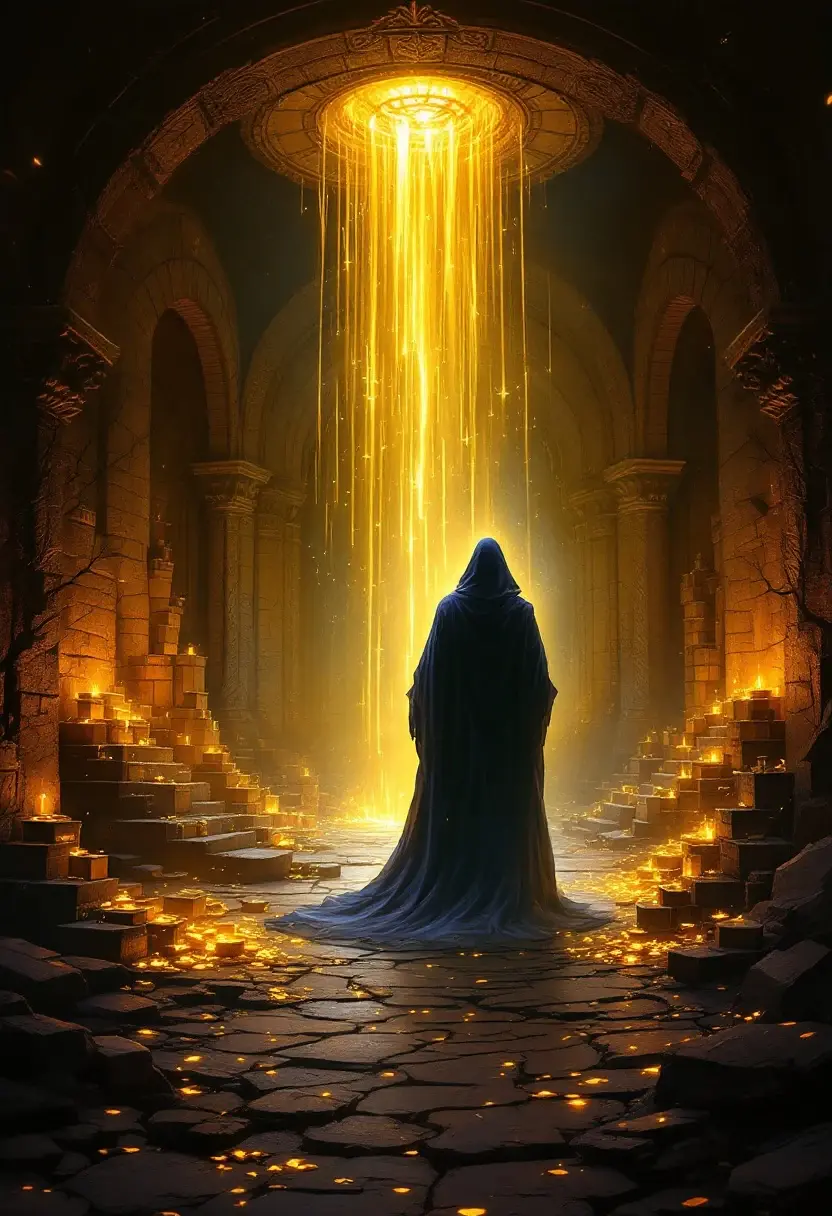
The Impossible Vault
A heist on a vault that a dead wizard is still guarding.
Use this setting →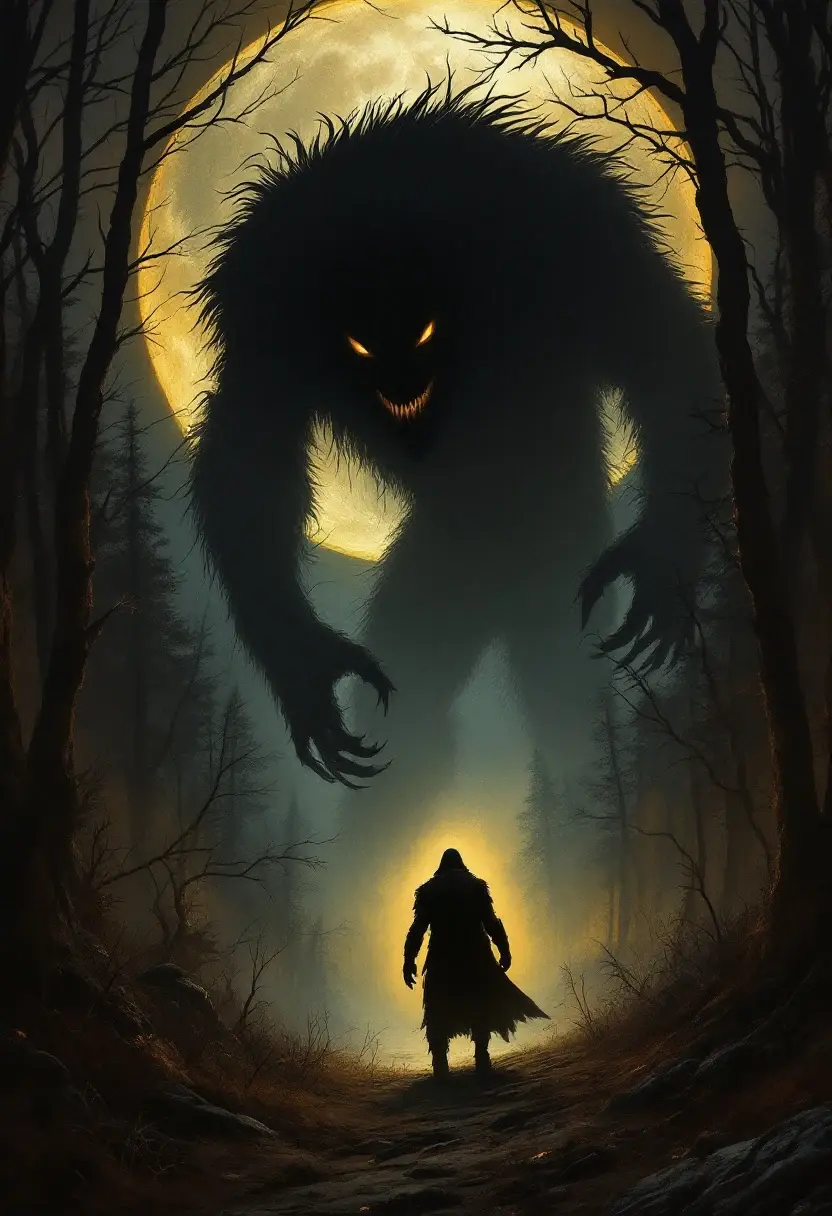
The Beast of Redmoor
A hunt for a monster that is protecting something worse.
Use this setting →The Forge
Generate a Quest
Set what you want, press the button, and it arrives pre-filled — your first is free.
The Forge
Generate a Quest
Choose your options — the quest builds around them.
Any · pre-filled for you
Three-minute start
How It Works
Counsel
Quest Generator, Answered
What are the best campaign concepts and playstyle variants for D&D?
Players and DMs frequently seek inspiration for thematic campaigns—such as magic-user-only runs, solo OSR play, or Robin Hood-style settings—and look for rules that support unique playstyles like planar travel or time loops.
How do you run D&D for complete beginners as a new DM?
New DMs and players benefit most from starter modules like Keep on the Borderlands, gentle scene-description techniques, and structured advice on helping first-timers feel comfortable roleplaying.
How do you design and run specific non-standard encounter types in D&D 5e?
DMs regularly look for guidance on running unusual encounter formats—time loops, three-way NPC fights, ritual completion events, or wilderness survival—with tips on pacing and player engagement for each scenario.
What DM techniques improve combat descriptions and table management during sessions?
Experienced DMs discuss practical in-session skills like using NPC accents, delivering vivid combat narration, managing player pre-reading, and resolving NPC-vs-NPC contests without losing player interest.
How do you create compelling Lawful Neutral or Chaotic Evil villains in D&D?
DMs seek help crafting nuanced antagonists whose alignment drives their motivation—such as Lawful Neutral bureaucrats or Ravenloft's Dark Powers—so that moral conflict feels philosophically challenging rather than cartoonishly evil.
How do you tune monster difficulty and resource drain before a BBEG fight in D&D 5e?
DMs debate whether to inflate monster HP or add more enemies to challenge mid-to-high-level parties, and look for strategies to deplete resources meaningfully before a climactic boss encounter.
How do you adapt folklore, video games, or genre fiction into TTRPG campaigns?
GMs look for practical advice on translating source material—German folk tales, Dragon Age games, fantasy noir tropes—into RPG mechanics and settings, including scaling structures like city-district hexcrawls.
How do you design magic school tournaments, pilgrimages, and social events in D&D?
DMs building institutional or community-focused stories seek non-combat event structures—tournaments, pilgrimages, ethical magic dilemmas—and advice on making social scenarios as engaging as combat encounters.
How do you design megadungeons, reverse dungeons, and convention-style adventures?
Designers and DMs explore structural formats for dungeons—reverse dungeons for kids, pirate-themed megadungeons, convention one-shots—and discuss how adventure architecture shapes pacing and player experience.
How do you balance homebrew monsters, classes, and magic items in D&D 5e?
Homebrewers seek mechanical feedback on custom creations—sniper classes, multi-initiative monsters, stat-replacing magic items, naval combat rules—with community consensus centering on playtesting and comparing against official benchmarks.
Build the Rest of the World
One tool is never enough. Chain them — the party never runs out of places to go.
Generate a Quest