Dungeons & Dragons 5e
NPC GeneratorInstant 5e characters with art & backstory
The party just talked to someone you hadn’t planned. Pick a race and a role, and meet them — portrait, name, quirk, backstory and stats — before they finish the sentence.
An NPC is anyone the party talks to who isn’t them — and the good ones have a face, a want, and one habit you can play. This makes all three, from a race and a role, in a single click.
Forged this morning
The Innkeeper
Human Innkeeper · Neutral Good · Middle-aged
Mother Yelena
Knows every rumour in the valley and will trade three of them for one honest answer. Never sits down — not once, not in thirty years, not even when the room is empty.
Who did they meet?
Build the NPC
Race, class, job and alignment are enough — the forge writes the rest.
The Forge
Forge an NPC
Pick where they sit in your story. Everything else fills itself in.
Any · pre-filled for you
What comes out
Anatomy of an NPC
Race & class
Where they sit in the world — and whether they can fight back.
Occupation
The job that puts them in the room: innkeeper, gate guard, cult recruiter.
Alignment
The nine-box compass. Sets whether they help, hinder, or smile while doing both.
Tone
How they sound across the table — weary, gracious, polite-and-terrifying.
Quirk
The one habit your players will remember three sessions later.
Stat summary
Enough numbers to run them if the conversation goes badly.
From the forge
NPCs Made Here
Allies, obstacles and villains. Take any one — the whole build travels with it.
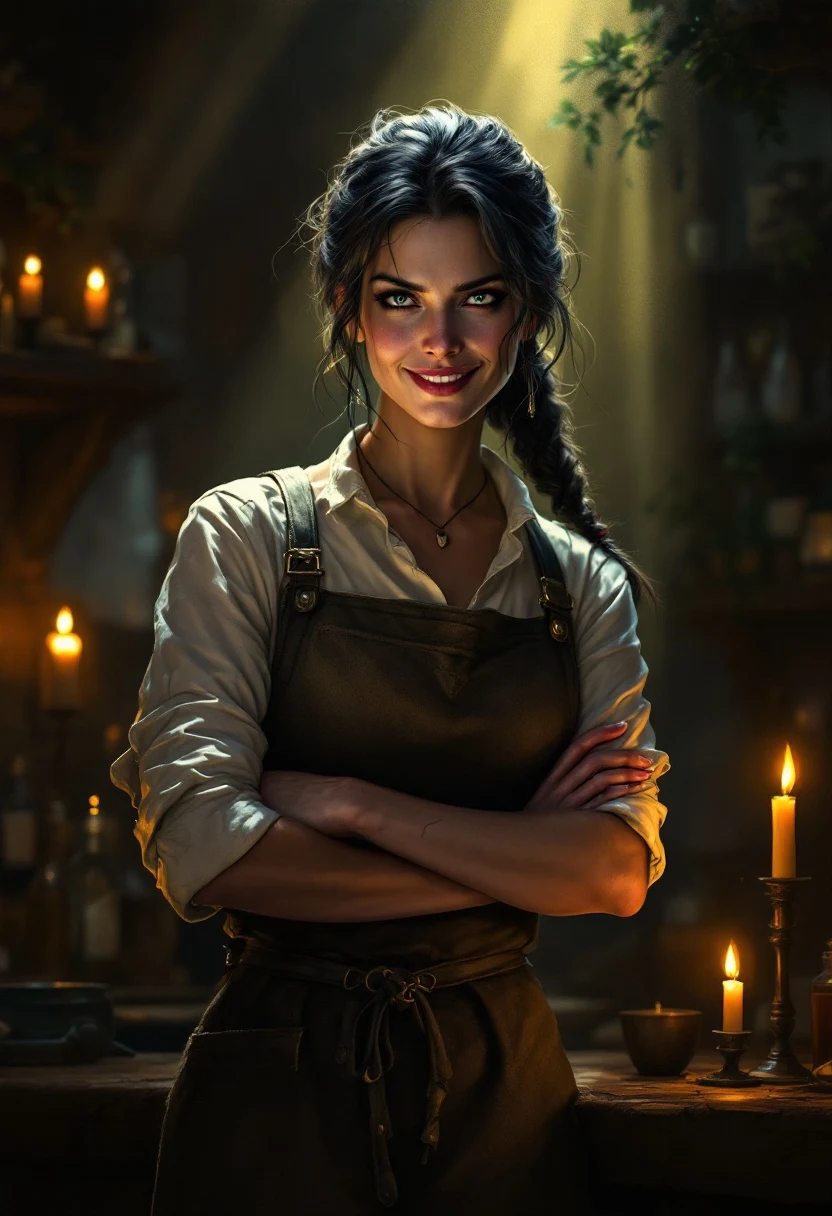
Mother Yelena
Knows every rumour in the valley and will trade three of them for one honest answer.
Use this build →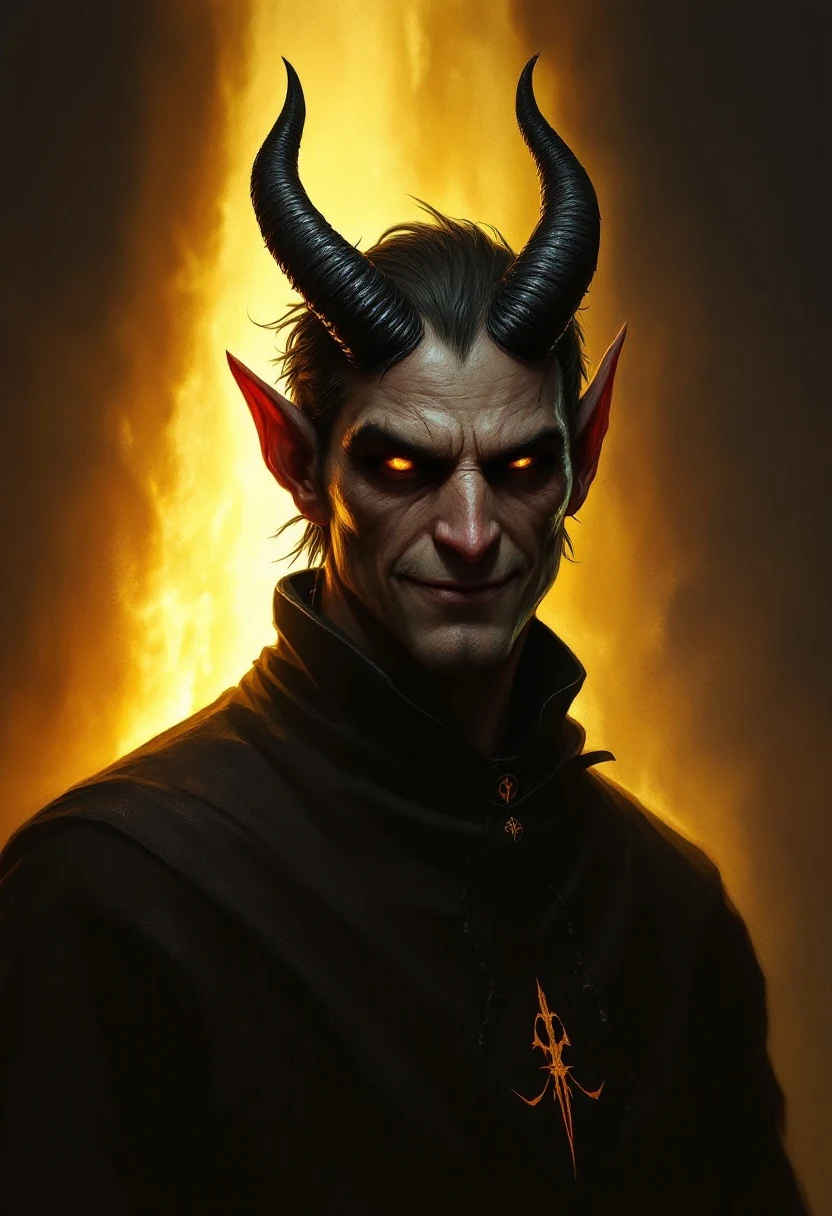
Grix Ashfinger
Perfectly polite, perfectly reasonable, and absolutely going to finish the ritual.
Use this build →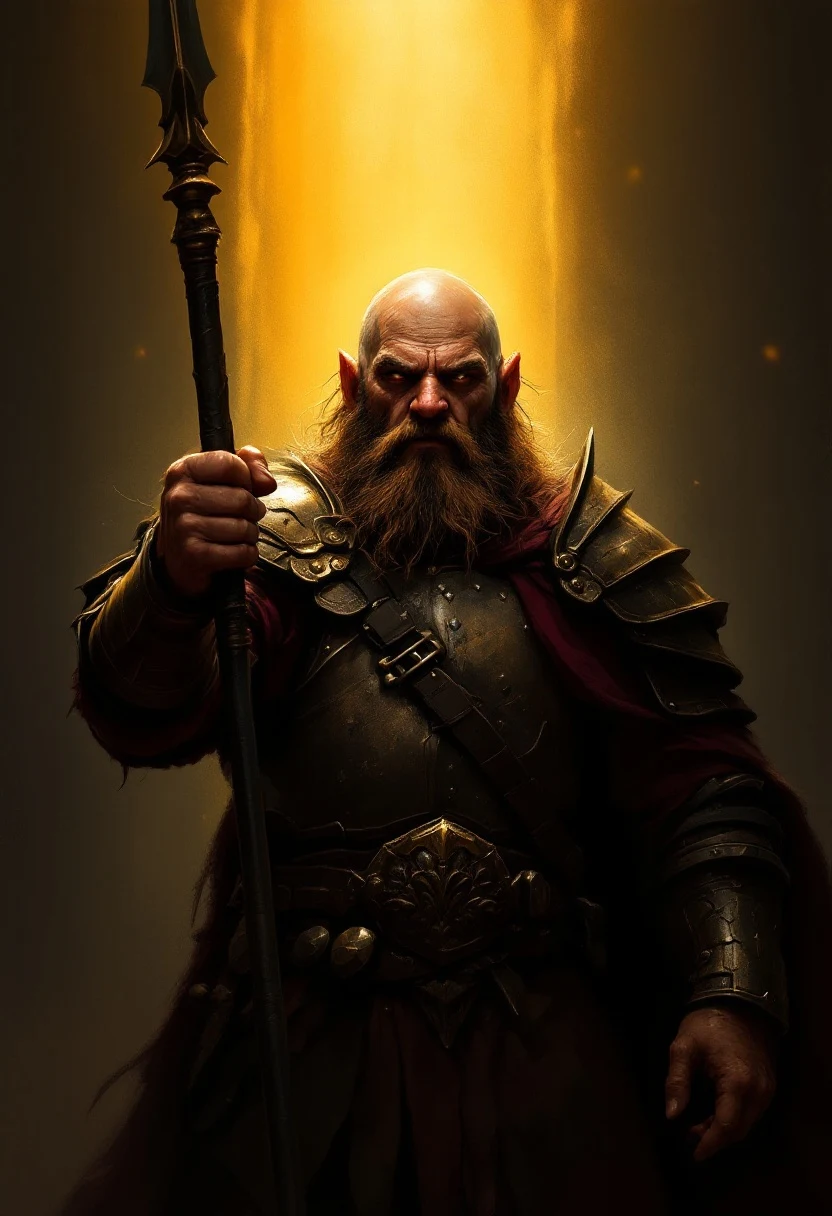
Sergeant Dunlow
Twenty years on the gate. Has heard your excuse before and did not believe it then either.
Use this build →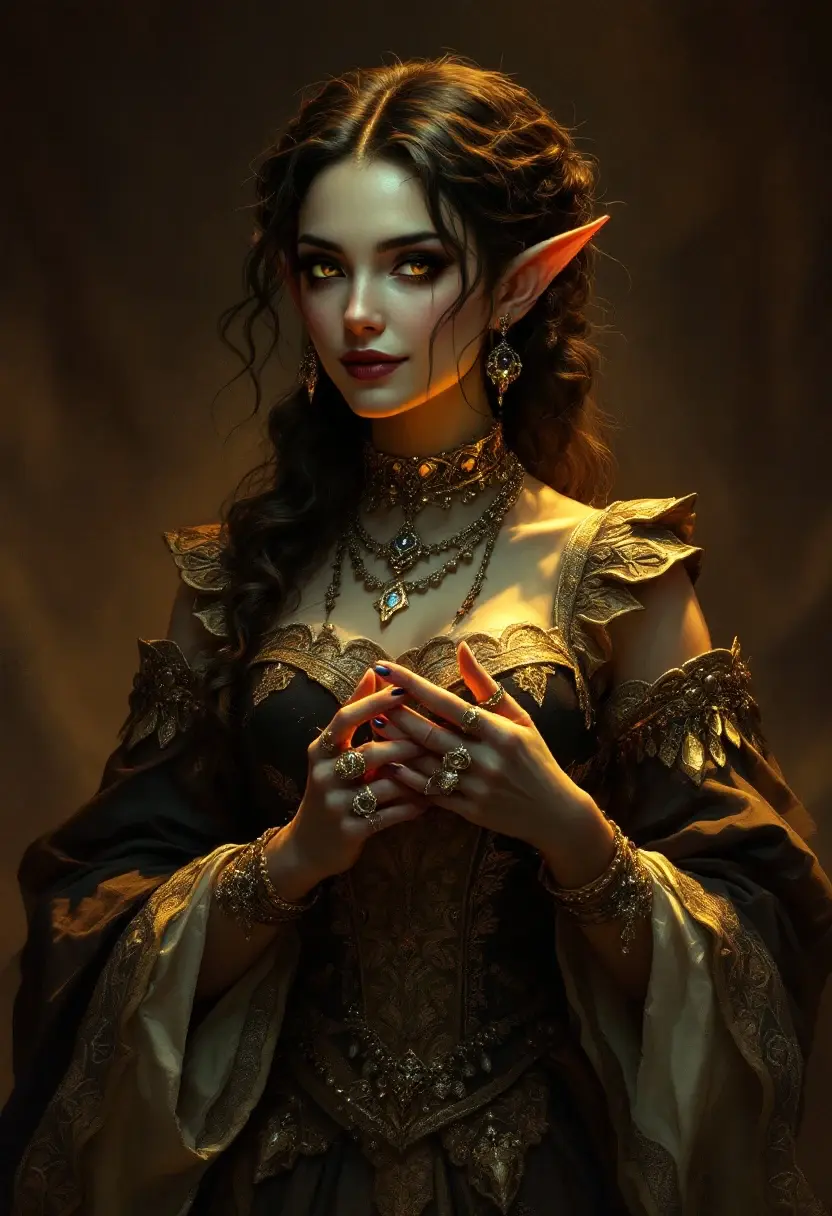
Lady Vera Estrell
Smiles like a contract. Every favour she grants comes due at the worst possible moment.
Use this build →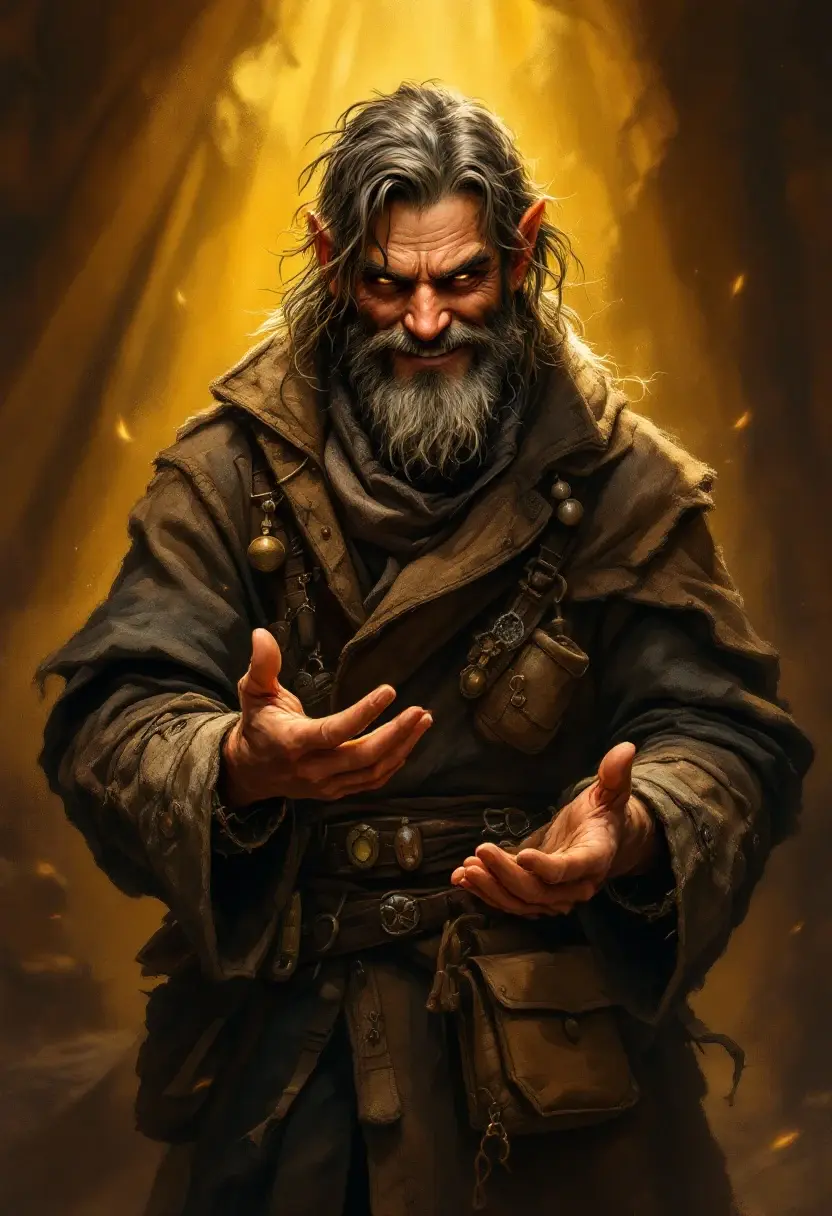
Pell the Quick
Sells exactly what you need at exactly the price that hurts. Somehow always restocked.
Use this build →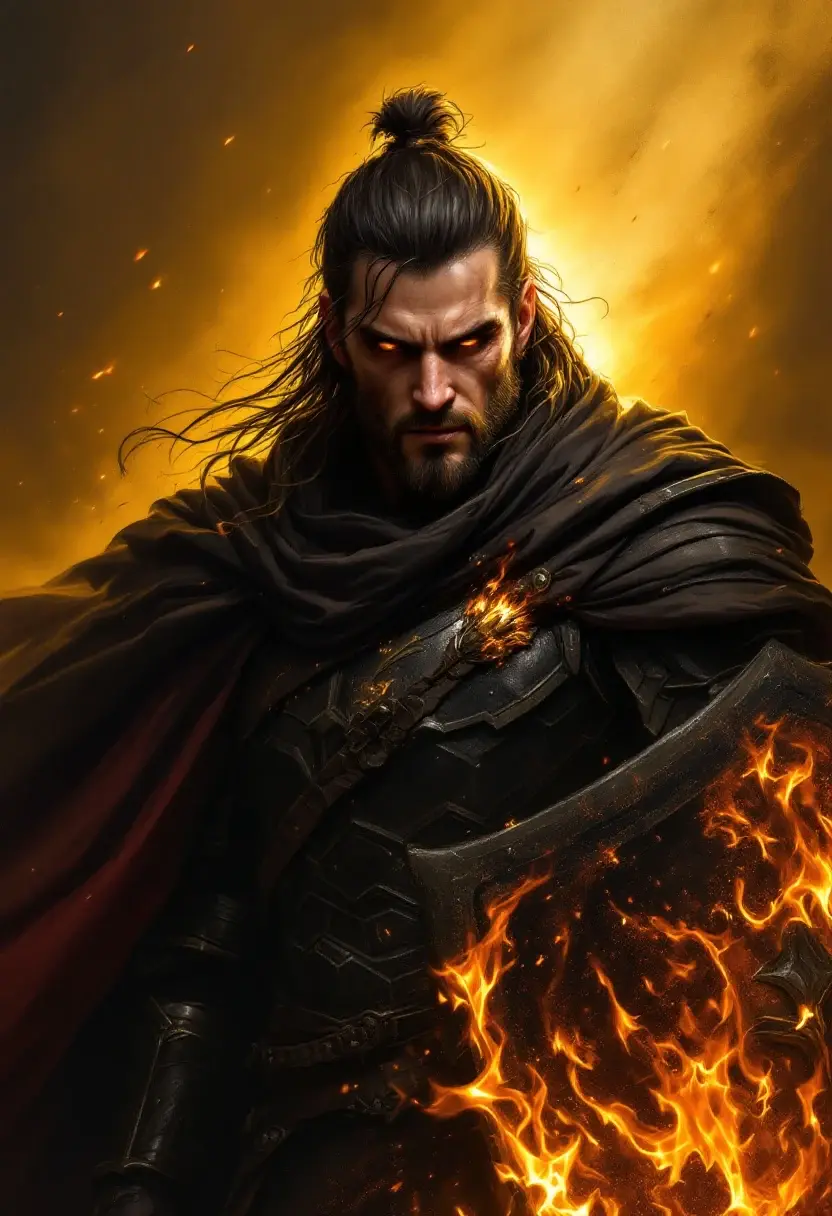
Kaelen Ash
A vengeance paladin hunting the same cult your party just annoyed. Ally, or problem.
Use this build →Counsel
Frequently Asked
How do you create and find art for a custom D&D character concept?
Players typically use character questionnaires to flesh out backstory and personality, then seek commissioned art through platforms like ArtStation, Reddit's r/HireAnArtist, or Fiverr to visually realize their character.
What are the best species and class combinations in D&D 5e and 5.5e for optimized builds?
Players debate the differences between 5e and 5.5e character creation rules, comparing species traits and class synergies to find optimal combinations, such as Plasmoid pairings or Circle of Spores druid species choices.
How do you homebrew and balance a Large-sized playable race in D&D 5e?
Homebrewers commonly work around 5e's Medium-size default by giving Large races limited mechanical benefits while offsetting them with environmental restrictions, equipment costs, and space limitations to maintain balance.
What are good dark fantasy and gothic character concepts and new species for D&D 5e?
Players explore gothic settings like Ravenloft for character inspiration, including undead elves, Eladrin bards, and new species introduced in supplements like Ravenloft: The Horrors Within for D&D 5.5e.
How do you roleplay a morally complex or fallen paladin character in D&D 5e?
Players and DMs discuss portraying characters like fallen celestials, cursed priests, and aasimar paladins with internal moral conflict, drawing on specific NPC examples like Curse of Strahd's Abbot for inspiration.
How do you design NPCs and encounters that present powerful characters as potential allies rather than enemies?
DMs suggest telegraphing NPC motivations through behavior and dialogue, using encounter design and faction mechanics to signal alliance potential, and carefully balancing patron species or powerful monsters so they feel like mentors rather than threats.
How do you play a witch or non-caster herbalist character in D&D 5e using existing classes?
Players often reflavor classes like Bladesinger Wizard or Druid to represent witches or alchemists, and homebrew backgrounds with familiar summoning are popular for low-magic or folk-magic themed campaigns.
How do you creatively incorporate magical tattoos, scars, or curse effects into a D&D character's physical appearance?
Players use physical markings like tattoos, scars, or magical discolorations as visual storytelling tools that tie directly to backstory events such as magical accidents, curses, or oaths, making character history visible during play.
How do you design well-structured NPC stat blocks and key elements for a TTRPG module?
Module designers debate whether NPCs should use PC rules or monster stat block conventions, with most recommending simplified monster-style blocks for clarity, while ensuring stat and skill distributions feel narratively appropriate.
How does character creation and feat selection work across different TTRPG systems like Blades in the Dark, VtM, and D&D?
TTRPG players compare character creation mechanics across systems, noting how games like Blades in the Dark use Tags, Vampire the Masquerade uses Backgrounds and Bonds, and D&D 5.5e introduces new feats and epic boons via Unearthed Arcana.