Dungeons & Dragons 5e
Monster Generator5e stat blocks, balanced to any CR
Pick a creature type and a challenge rating — and forge a balanced stat block with AC, HP, actions, traits and a portrait. Homebrew monsters, ready for the table tonight.
A stat block is a monster compressed into one card: what it is, how hard it hits, how long it lasts, and the one ability that will surprise your players. Balanced against the CR tables so you don’t have to be.
Forged this morning
The Wyrmling
Dragon · CR 4 · Medium · Mountain
Embermaw Wyrmling
Young, arrogant and already too fond of its recharge breath. An excellent first boss — big enough to terrify a level-4 party, small enough that they might actually win.
What are they fighting?
Build the Monster
Type and challenge rating are enough — the stat block balances itself.
The Forge
Forge a Monster
Choose a type and CR. AC, HP, traits and actions come out fitting.
CR 3 · pre-filled for you
What comes out
Anatomy of a Stat Block
The forge fills every field below — here is what each one means.
Size & Type
Tiny to Gargantuan, and one of fourteen types — dragon, fiend, undead…
AC / HP / Speed
How hard to hit, how long it lasts, and how it moves: walk, fly, swim, burrow.
Ability scores
The six, plus the saves and skills that decide its rolls.
Challenge Rating
One number estimating how badly this ruins a party’s afternoon.
Traits
The passives: resistances, Pack Tactics, Magic Resistance, Regeneration.
Actions
Attacks, multiattack, spellcasting, and the recharge breath you fear.
Pitching the fight
Monster CR by Party Level
| Party level | Solo boss | Horde (each) |
|---|---|---|
| Level 1–2 | CR 1/2–2 | CR 1/8–1/4 each |
| Level 3–4 | CR 2–4 | CR 1/4–1 each |
| Level 5–7 | CR 5–8 | CR 1–3 each |
| Level 8–10 | CR 8–12 | CR 3–5 each |
| Level 11–16 | CR 12–17 | CR 5–10 each |
| Level 17–20 | CR 17–24 | CR 10+ each |
From the forge
Monsters Made Here
Fourteen types, any CR. Take any one — the whole build travels with it.

The Hollow Choir
A dozen skeletal singers whose hymn drains warmth from the room and courage from the party.
Use this build →
Embermaw Wyrmling
Young, arrogant and already too fond of its recharge breath. Excellent boss for level 4.
Use this build →
Bog Tangle
Looks like a mound of reeds until it has your ankle. Great ambush for a swamp crossing.
Use this build →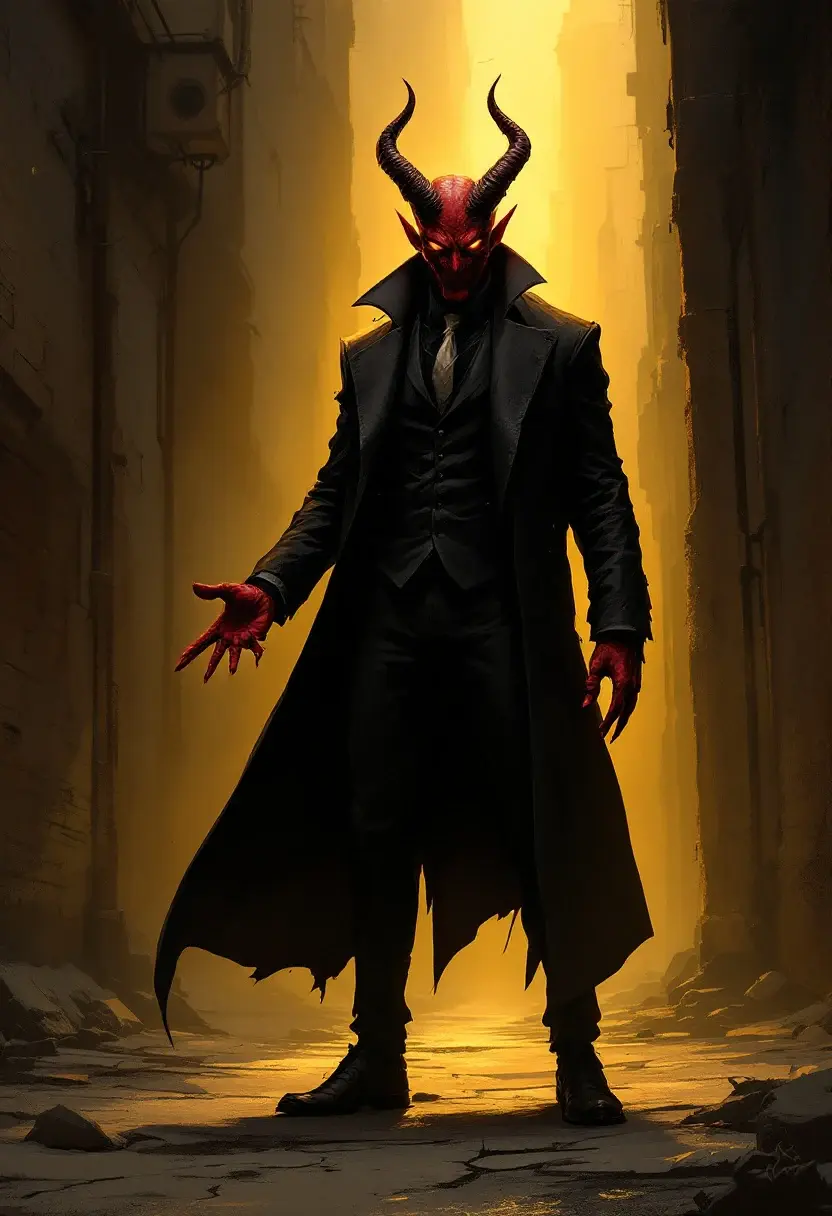
The Auditor
A devil that collects on old bargains. Legendary actions and a contract you really should have read.
Use this build →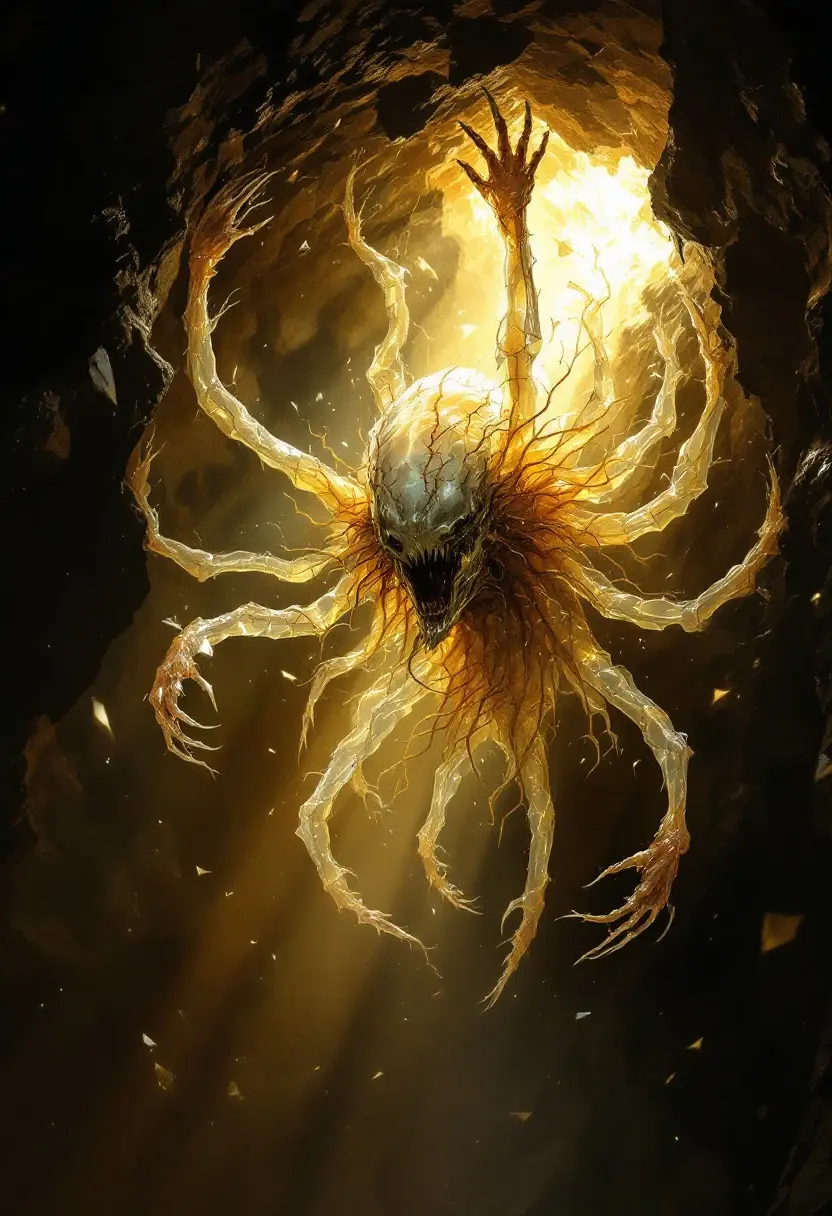
Glass Stalker
Invisible in daylight, refracts spells, and is genuinely unsettling to describe out loud.
Use this build →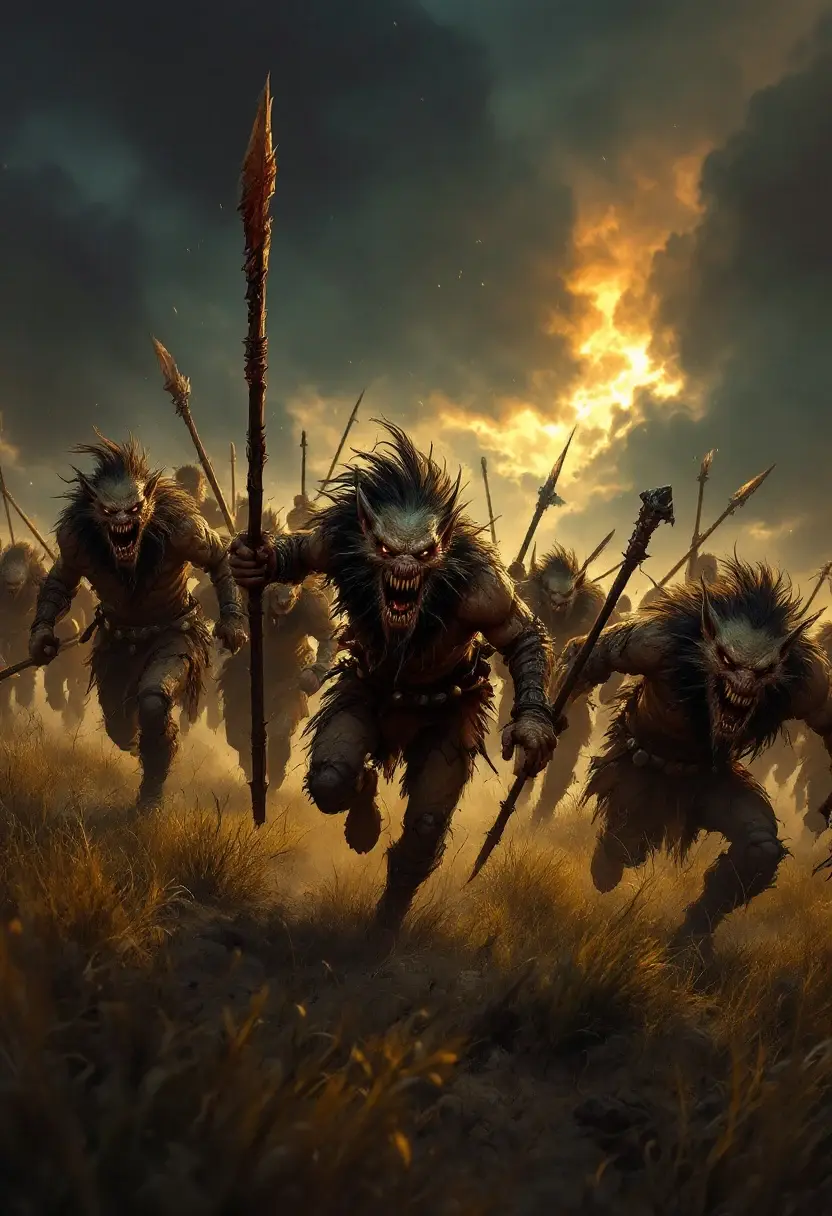
Rust-Pack Gnolls
A raiding pack with Pack Tactics — a classic escalating threat for a low-level road.
Use this build →Counsel
Frequently Asked
How do I convert or adapt published D&D adventures to a different edition or setting?
Players recommend reviewing core mechanical differences first (AC, CR, spell slots), then reskinning encounters thematically. OSR and 5e conversions are especially popular, with tools like online stat block converters and community guides for specific modules like Curse of Strahd.
Do weapon mastery systems fix the martial vs spellcaster power gap in D&D?
Community opinion is divided: many feel weapon mastery (including 5e 2024's version) is a step in the right direction but doesn't fully close the martial-caster disparity, while BECMI veterans often prefer its deeper customization despite added complexity.
How do I create or convert custom monsters for D&D 5e?
DMs typically use the 5e Dungeon Master's Guide CR calculation tables as a baseline, then adjust HP, AC, and damage to fit the encounter. Converting from older editions requires mapping attack bonuses and saving throws to 5e equivalents.
What TTRPG systems or mechanics handle monster encounters without relying on standard HP?
Players frequently discuss narrative or zone-based damage systems, weakness/condition tracking, and Shadow of the Colossus-inspired staged boss fights as ways to make monster encounters feel more dynamic and less like HP sponge attrition.
How do unique mechanics in homebrew or indie RPGs like stack systems and opponent systems work?
These questions focus on niche or self-published games with novel subsystems, and answers typically come from the designers themselves or early playtesters explaining how mechanics interact with standard TTRPG assumptions like action economy and monster math.
What D&D entities are equivalent to Lovecraft's Great Old Ones and how do I use them in a campaign?
Players point to Elder Evils, Elder Gods from Spelljammer, and entities like Atropus or Tharizdun as D&D equivalents to Lovecraftian horrors, recommending them for long-arc campaigns where the villain is incomprehensible and existential rather than tactical.
How do you reskin monsters and accurately balance their challenge rating in D&D?
The consensus is to reskin visually first, then adjust stat blocks using CR guidelines from the DMG or tools like Kobold Fight Club. Community members warn that CR is an imprecise science and playtesting specific encounters matters more than the number.
What are the best third-party or edition-specific bestiaries and monster compendiums for D&D?
Community favorites include Tome of Beasts, Flee Mortals, and various system-specific bestiaries, with players often recommending books that include unique templates, kaiju-scale creatures, or setting-specific flavor beyond what the core Monster Manual provides.
How do I design memorable villain groups and antagonist factions for a D&D campaign?
DMs suggest giving villain groups internal hierarchy, conflicting motivations, and a shared ideology rather than just stat blocks, with examples like Neogi slavers or a council of classic introductory villains each serving distinct narrative roles.
What makes the 4e Dark Sun Creature Catalog different from other 4e monster books?
The 4e Dark Sun Creature Catalog is noted for leaner, more brutal monster roles that reflect the survival-horror tone of Athas, with psionic monsters and environmental hazards playing a larger role compared to standard 4e monster design.
Build the Bestiary
Pick a type and CR, and forge a ready-to-run stat block. Your first is free.
Forge a Stat Block