Dungeons & Dragons 5e
Character CreatorMake a 5e character & sheet in one click
Pick a race, a class and a level — and forge a complete D&D 5e character: sheet, portrait, backstory and stats. No PDF to wrangle, no six-step evening.
A D&D character is race plus class plus the six numbers — and then the part that matters: where they came from, what they want, and how they talk. This makes all of it from two choices.
Forged this morning
The Stormcaller
Half-Elf Sorcerer · Storm Sorcery · Level 5
Brynn Stormcaller
Lightning runs in her blood and, lately, out of her fingertips at inconvenient moments. Sailed out of a port that asked her, politely, not to come back.
Two choices, one character
Build the Character
Race and class do the work. Level, alignment and the rest fill themselves in.
The Forge
Forge a Character
Choose a race and class — the forge handles the other four steps.
Level 5 · pre-filled for you
What the forge does for you
How to Make a 5e Character
The six steps every character goes through — folded into one click.
Your toolkit
Choosing a Class
Read a full guide, then forge a character in it.
PaladinGUIDE →
Holy warrior — smites, auras, heavy armour.
WizardGUIDE →
Arcane scholar — the widest spell list in the game.
FighterGUIDE →
Martial master — the most attacks, endlessly flexible.
RogueGUIDE →
Skill and Sneak Attack — the party’s scalpel.
ClericGUIDE →
Divine caster — heals, buffs, and holds the line.
BarbarianGUIDE →
Rage-fuelled bruiser — soak hits, hit back harder.
BardGUIDE →
Inspiration, skills, and eventually any spell in the game.
RangerGUIDE →
Wilderness half-caster — Hunter’s Mark and the first look.
SorcererGUIDE →
Innate magic bent mid-cast with Metamagic.
WarlockGUIDE →
A bargain, short-rest slots and Eldritch Blast.
DruidGUIDE →
Full nature caster — and a bear when talking fails.
MonkGUIDE →
Ki, four attacks a turn, and Stunning Strike.
From the forge
Characters Made Here
Eleven races, twelve classes. Take any combo — the whole build travels with it.
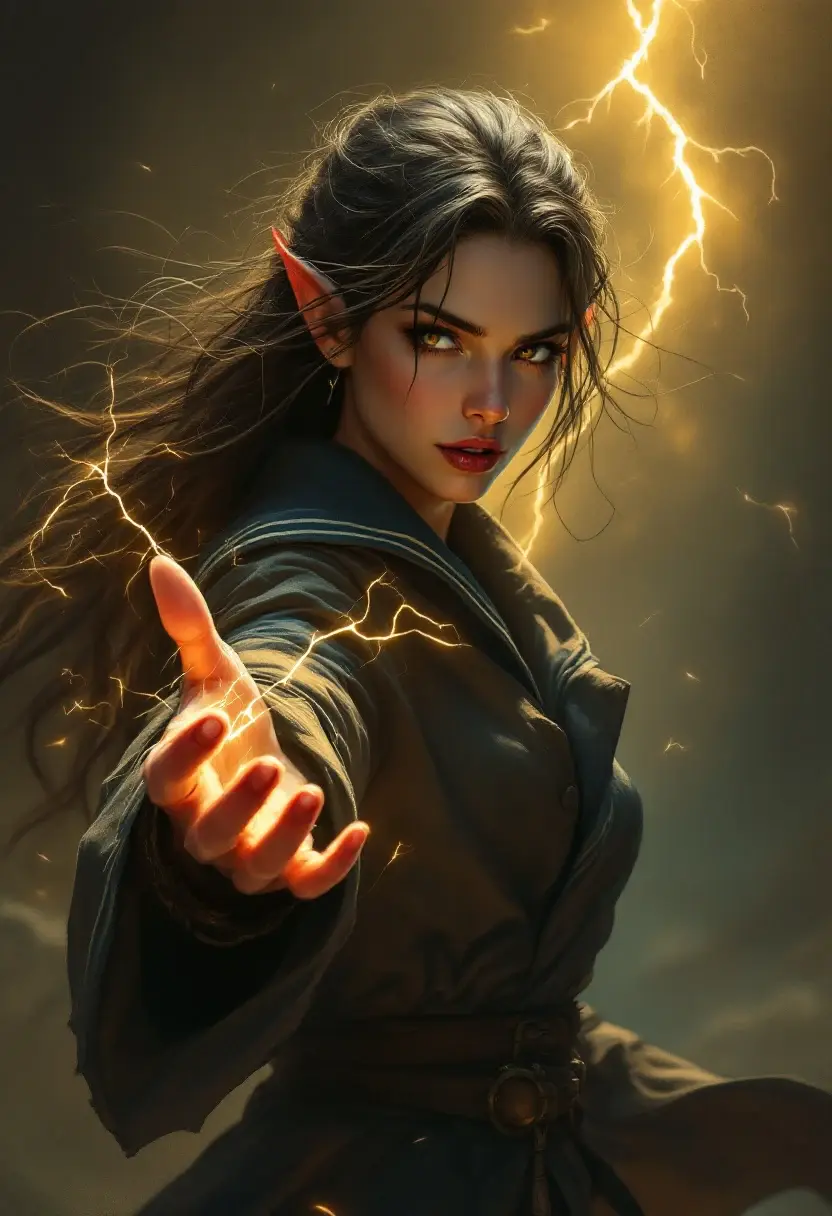
Brynn Stormcaller
Lightning runs in her blood and, lately, out of her fingertips at inconvenient moments.
Use this build →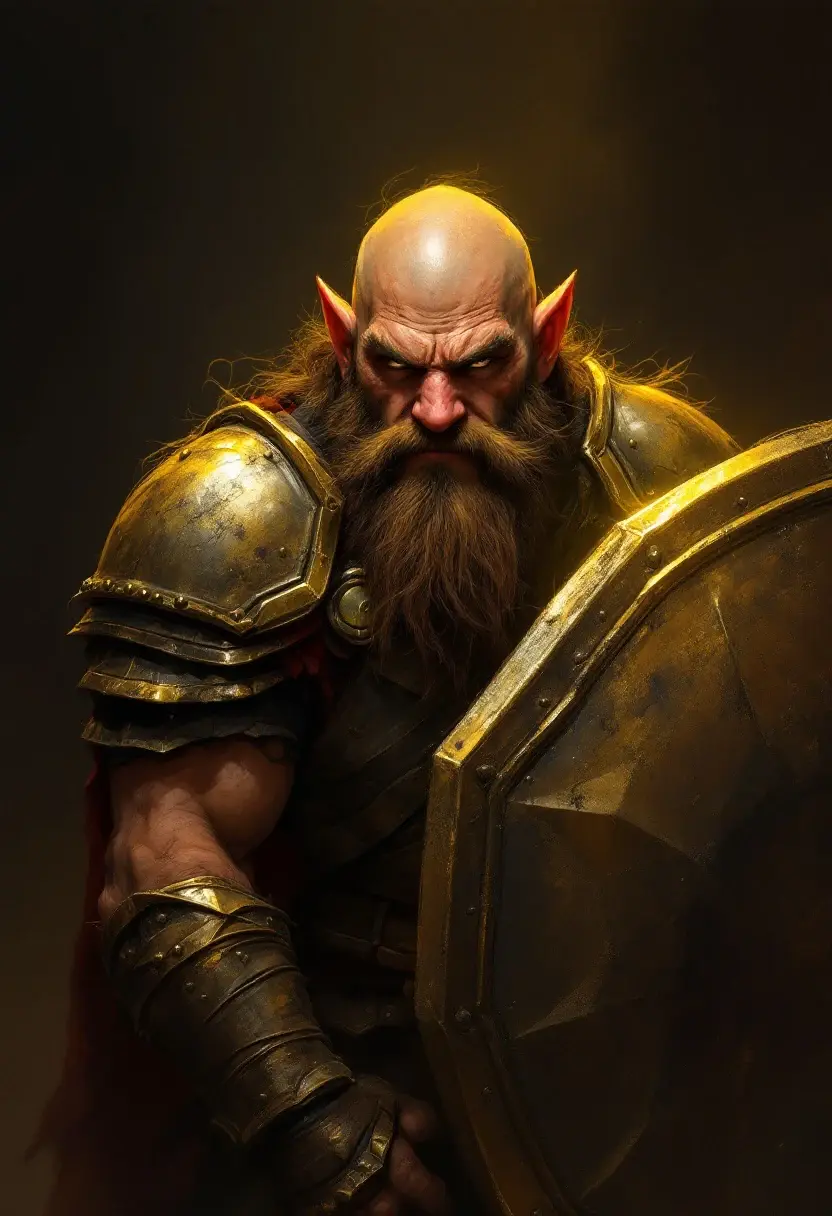
Durok Ironjaw
Says little, hits hard, and has never once lost a shield in forty years of losing everything else.
Use this build →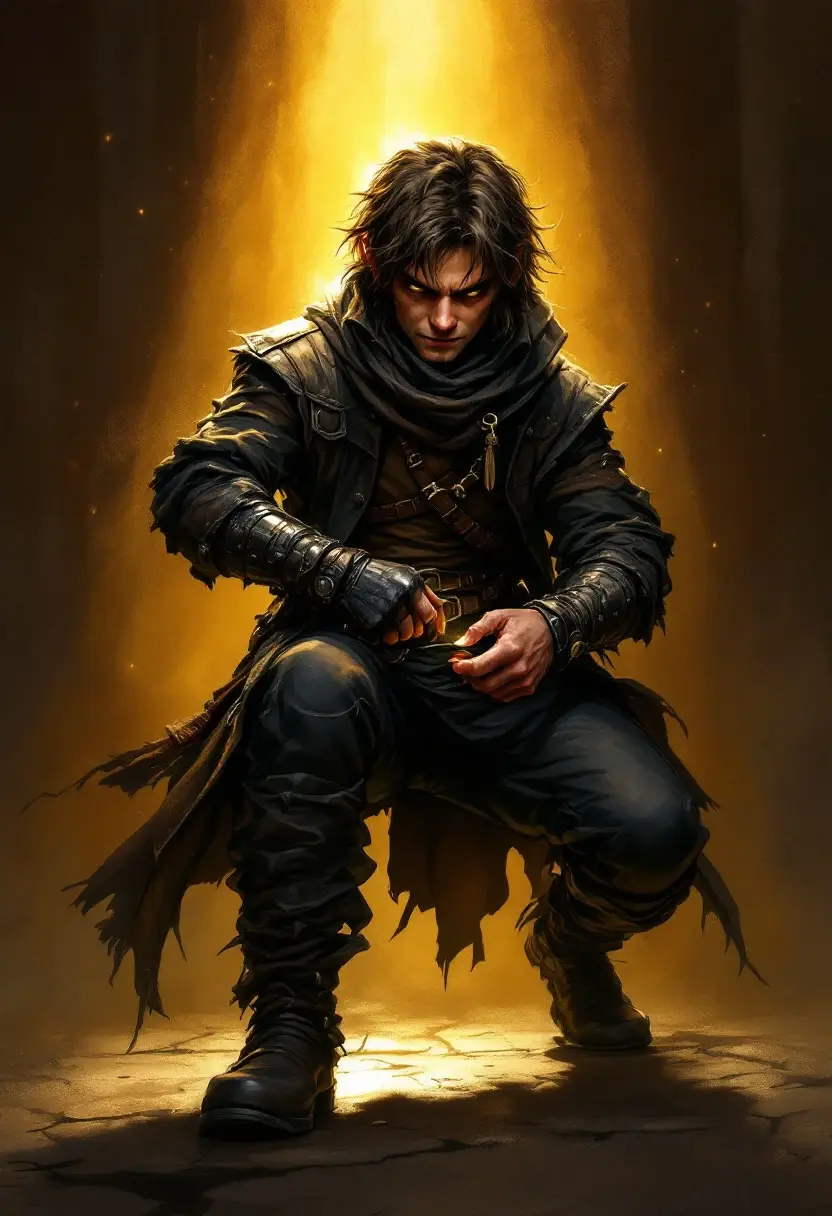
Pip Nettlefoot
Small, quiet, and already behind you. Your coin purse feels lighter, doesn’t it?
Use this build →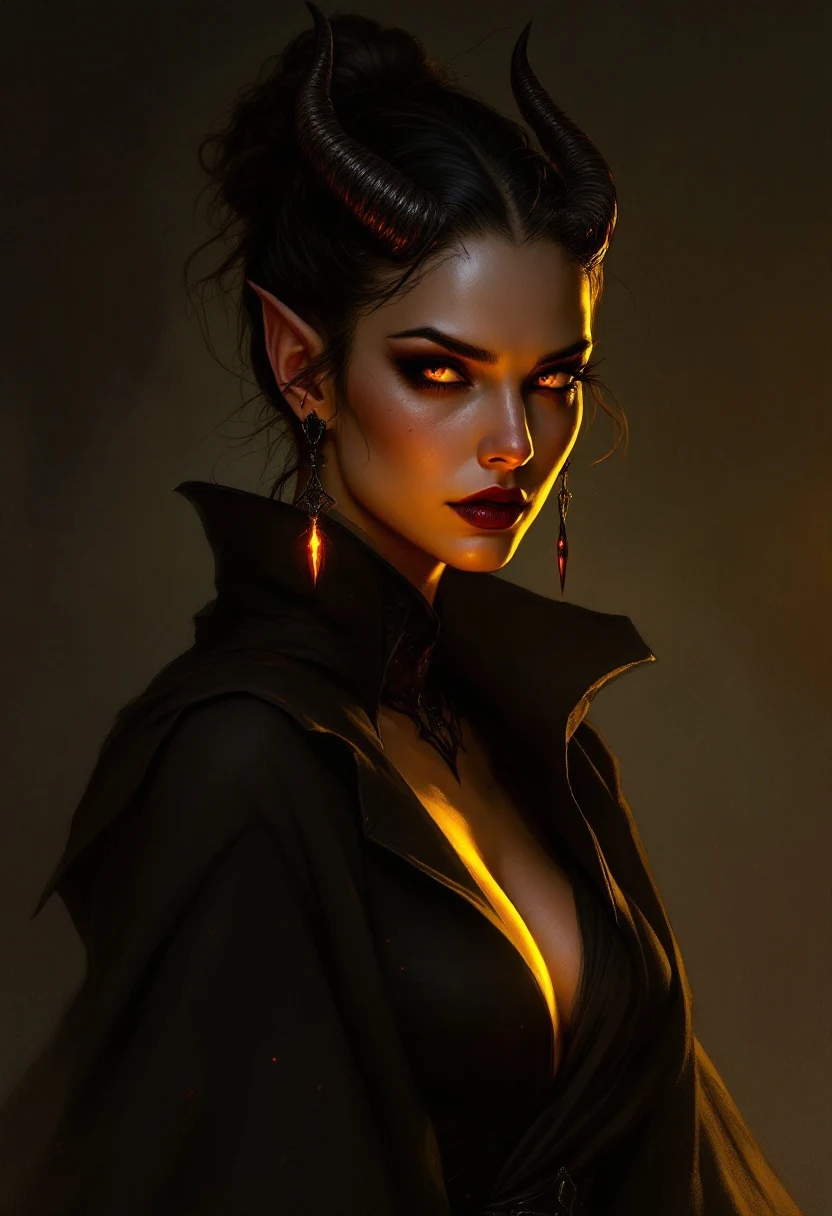
Serath Vael
Made a deal she’d make again — the terms are just now coming due.
Use this build →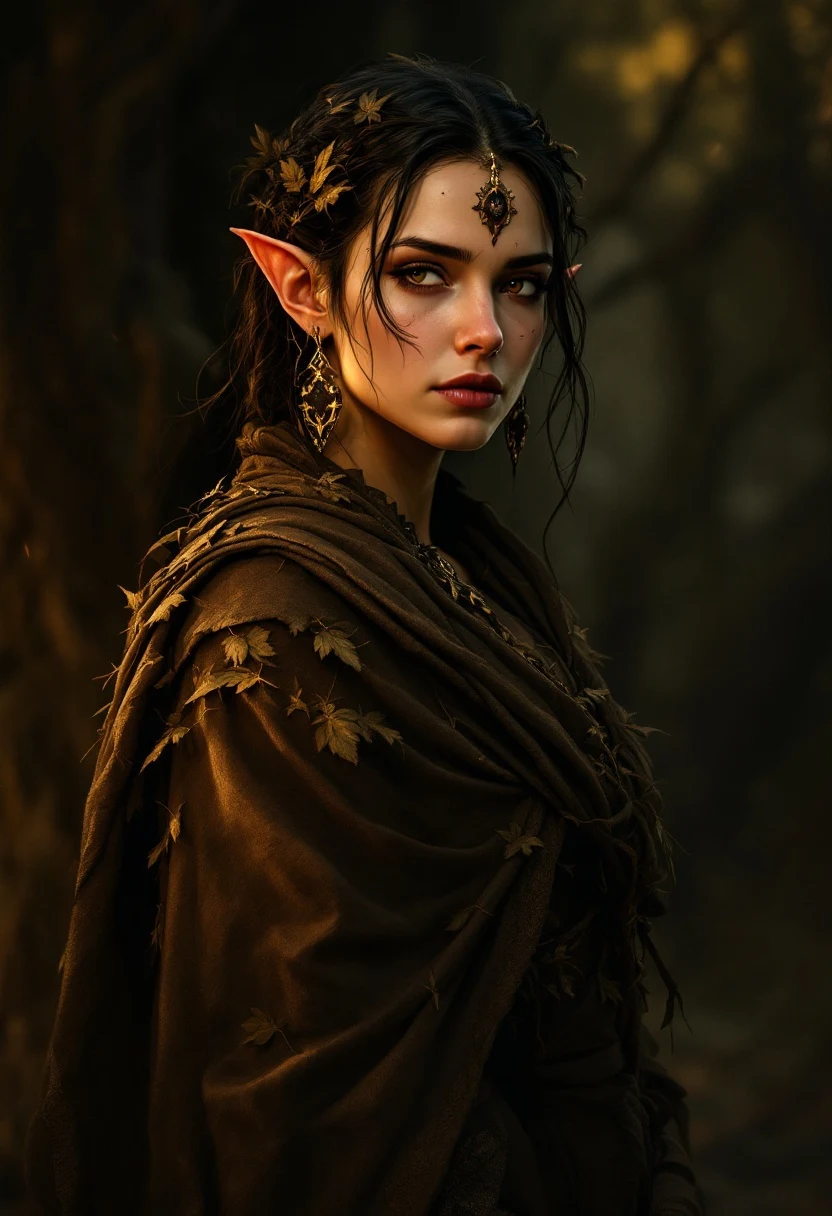
Elowen Dawnbranch
Speaks for the old wood and occasionally becomes a very annoyed bear about it.
Use this build →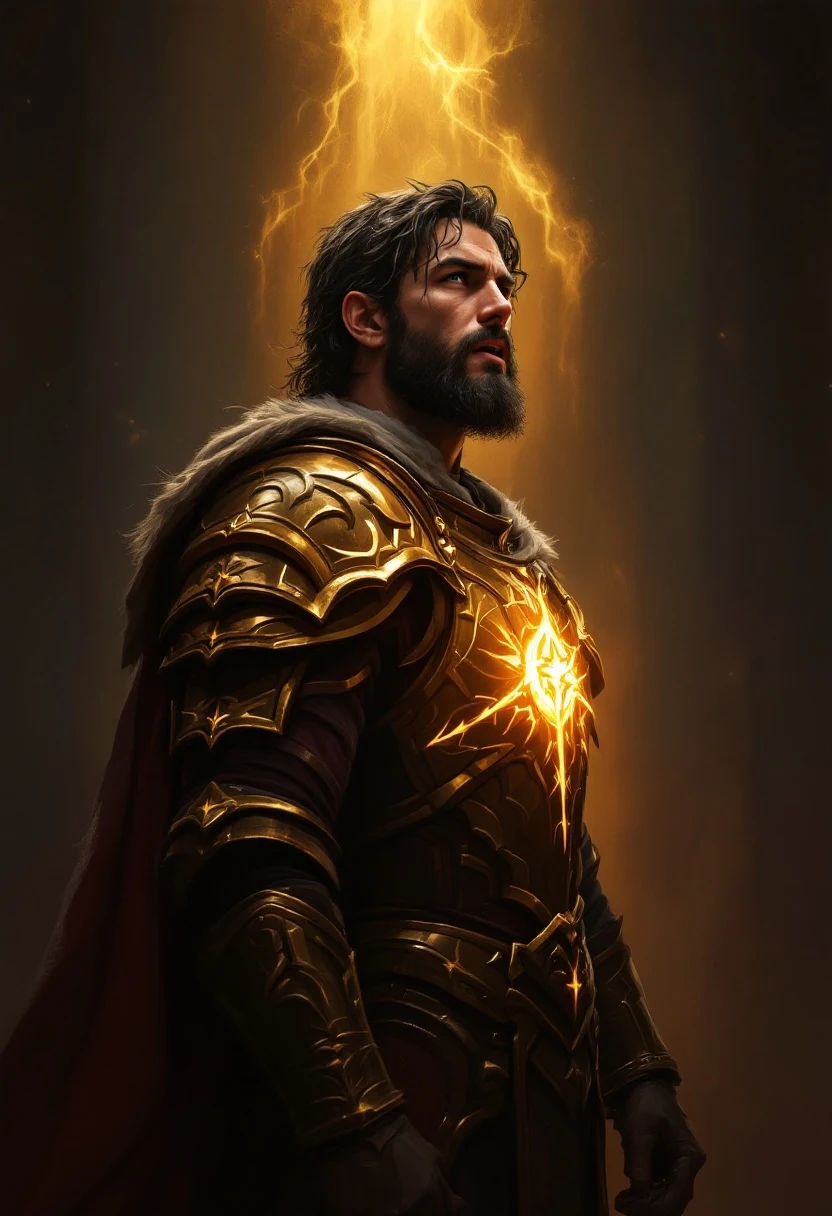
Sir Aldous Krane
Earnest to a fault, radiant in a fight, and absolutely will give a speech first.
Use this build →Counsel
Frequently Asked
What are the best class dips and weakest classes in D&D 5e?
Players frequently debate one-level dip options for casters, tier rankings of weak classes, and how to adapt class options across editions or unusual setups like solo play.
How do you build a specific character concept in D&D 5e from scratch?
These questions focus on constructing complete character builds around a concept or race/class combo, such as a druid spellsword, dwarf dual-wielder, or a wizard pursuing lichdom, covering ability scores, class choices, and progression.
Is a Shadow Sorcerer and Celestial Warlock multiclass viable in D&D 5e?
Players debate whether specific two- or three-class multiclass combos are mechanically viable, comparing synergies and trade-offs between options like Eldritch Knight/Conquest Paladin or Echo Knight/Blood Hunter.
How does character creation work in different TTRPG systems like Pathfinder 2e and Fallout 2d20?
These questions cover the mechanics and time investment of character creation across various systems, including tool access like D&D Beyond, first-time player pitfalls, and system-specific origin or background steps.
Is the Monk underpowered and are homebrew classes like the Sniper balanced for D&D 5e?
Players analyze whether official classes like the Monk are mechanically weak and scrutinize homebrew options for power creep, such as permanent spider climb traits or unconventional attack-roll mechanics.
Should TTRPGs include classic races like humans or introduce entirely new unique ones?
These discussions explore broader game design questions such as whether familiar races should be expected, how spell learning systems could work without levels, and how to integrate lore elements like historical immortals.
What subclasses let you use Wisdom for melee attacks in D&D 5e?
Players look up what specific subclasses do and what options are available for a given class, covering subclasses like Cavalier Fighter, Arcana Domain Cleric, and Warrior of the Mystic Arts Monk.
Do ability score increases from magic items like tomes grant retroactive skill points in D&D 3.5?
Players debate the mechanical and balance implications of ability score changes, including retroactive effects from items, whether bonuses should tie to background or class, and respec rules in systems like Pathfinder 2e.
What playable character options and types are available in specific TTRPG sourcebooks and settings?
These questions ask what character types, frames, or classes are available in particular books or in-world settings, such as Manual of the Planes, Aether Nexus, or in-setting MMOs within a campaign.
How do specific class features and item mechanics like blood points or Misty Step work in D&D 5e?
Players seek rules clarifications on how particular mechanics function, such as the Kindred class's blood point system, Changeling shapeshifting synergy with Eloquence Bard, or a Cartographer subclass's Misty Step variant.
Roll One Up
Pick a race and class, and forge a full 5e character on the spot. Your first is free.
Forge a Character