D&D Worldbuilding · World & Lore
Poetry & Lore GeneratorGenerate D&D lore — prophecies, epitaphs, songs and the words on the wall.
The texture that makes a world feel old. A prophecy the party will misread, a gravestone that means more later, a drinking song, a cursed inscription.
Made here
Start From a Ready Poetry & Lore
Take any one as a starting point — the settings travel with it into the generator.
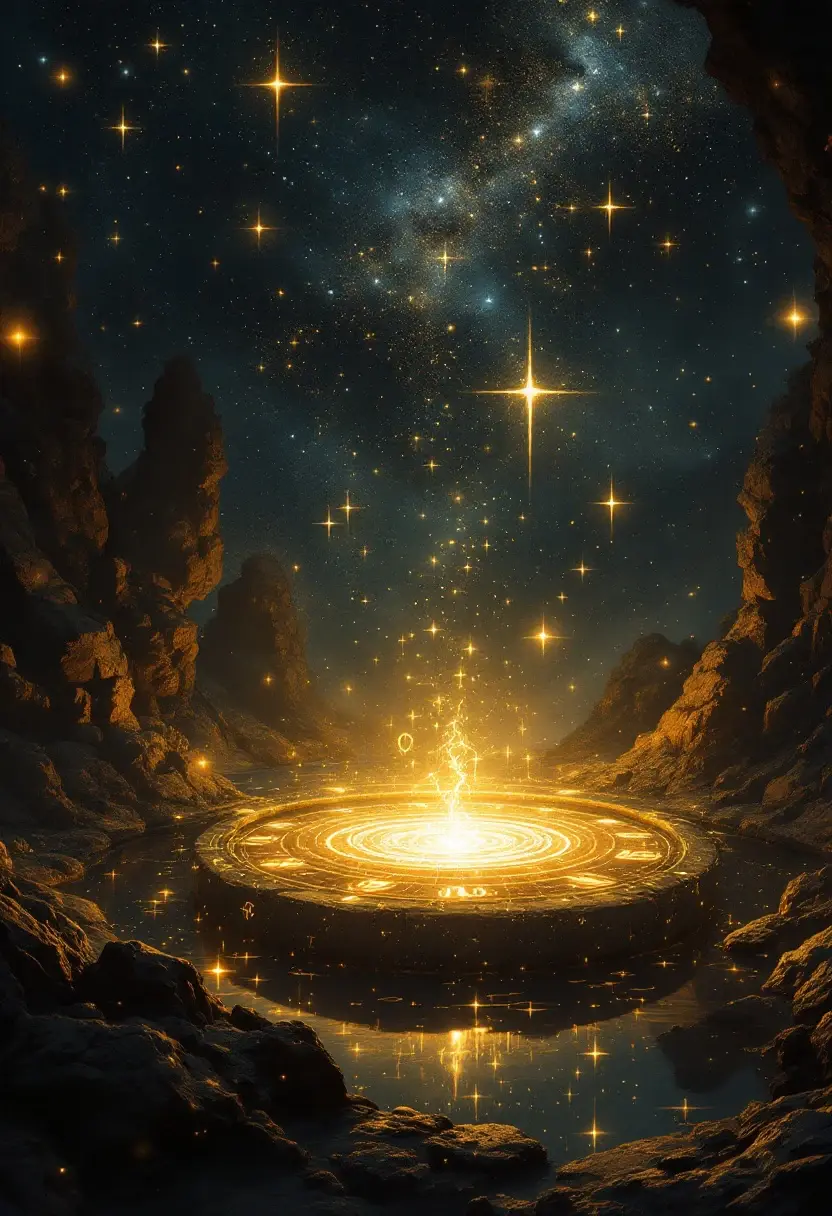
A Prophecy
Four lines the party will remember at exactly the wrong moment.
Use this setting →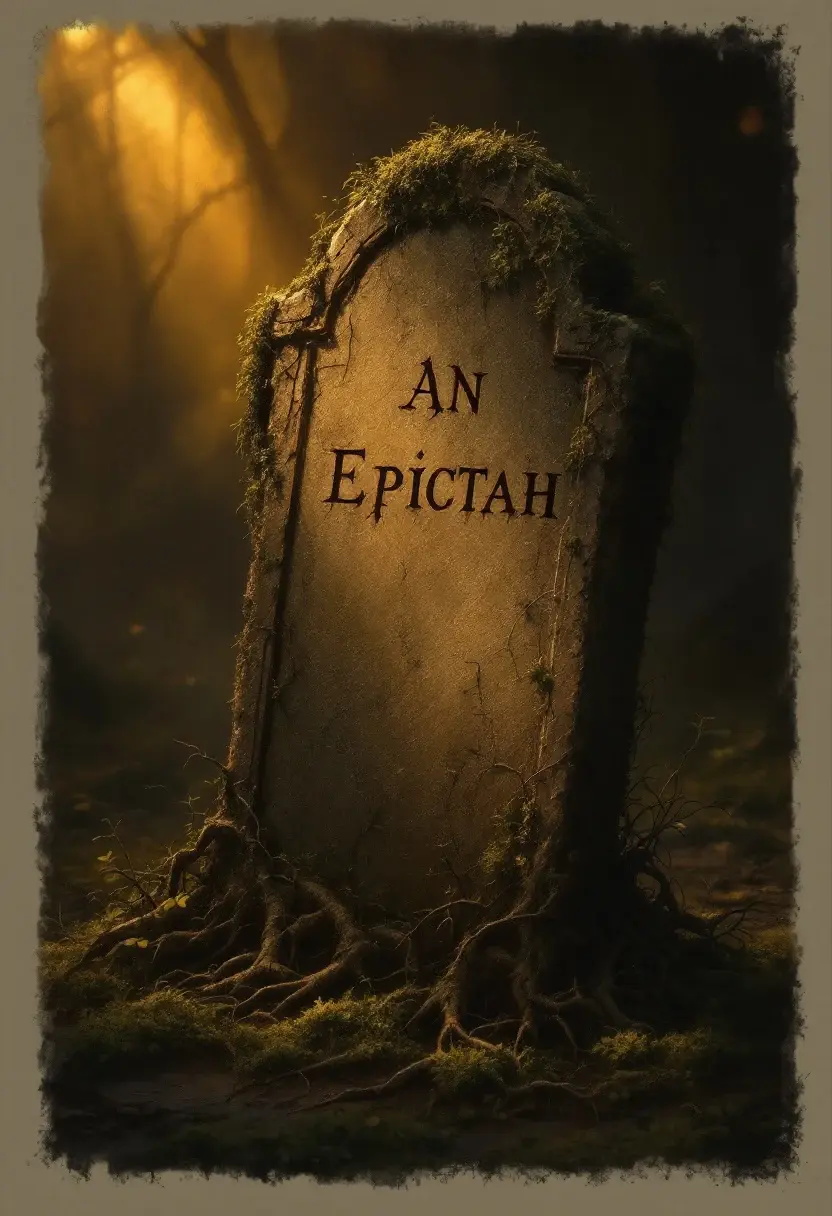
An Epitaph
A gravestone that reads as grief now and as a clue later.
Use this setting →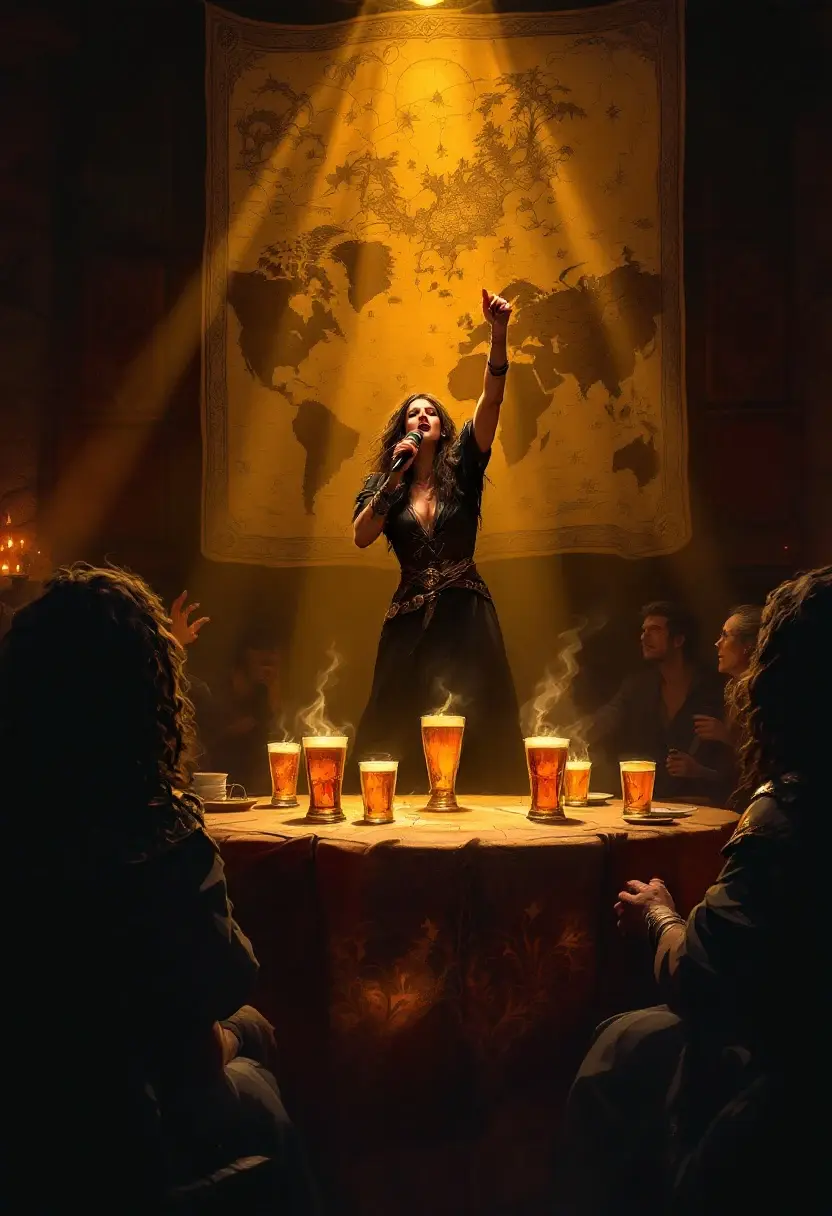
A Drinking Song
A tavern tune that turns out to be a coded map.
Use this setting →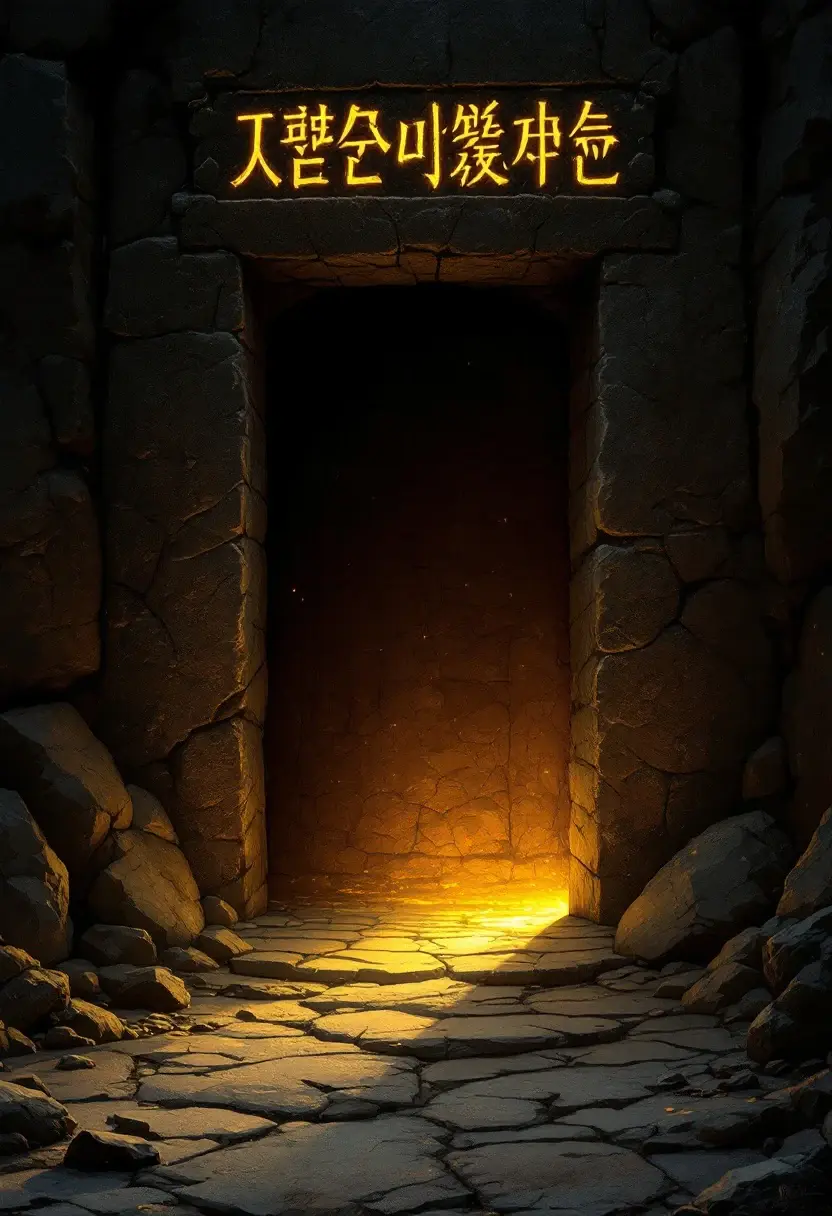
An Inscription
Words carved above a door in a language that predates the door.
Use this setting →The Forge
Generate Lore
Set what you want, press the button, and it arrives pre-filled — your first is free.
The Forge
Generate Lore
Choose your options — the poetry & lore builds around them.
Any · pre-filled for you
Three-minute start
How It Works
Counsel
Poetry & Lore Generator, Answered
How do you incorporate real-world religion, mythology, and culture into original fantasy worldbuilding?
Most players recommend treating real-world mythology and culture as inspiration rather than direct transplant, adapting elements like angelology, conlangs, or guild structures to fit your world's internal logic. Grounding borrowed concepts in consistent in-world history and social context helps them feel organic.
What are the best D&D sourcebooks and settings for exploring unique magic, faiths, or cosmology?
Players frequently point to settings like Eberron, Planescape, and Midnight as examples that push D&D's genre conventions, offering resources on faith-building, magic side effects, and cosmological alternatives to the Great Wheel. Sourcebooks and third-party supplements are commonly recommended for deeper lore customization.
How do you design alien or non-human races for tabletop games without relying on tired tropes?
The community advises moving beyond clichés like hive-mind insectoids or human-with-one-trait races by grounding alien cultures in genuinely alien biology and psychology. Avoiding human-centric assumptions in language, motivation, and social structure is key to making non-human entities feel truly distinct.
What are creative magic items, materials, and systems for running a high magic fantasy setting?
Players in high magic settings enjoy inventive details like labeled potions, fireproof magical materials, and gonzo artifacts that reinforce the world's tone. FTL travel analogues and setting-specific magic rules (like those in Historica Arcanum) are popular topics for making high magic worlds feel internally consistent.
What is the official lore for D&D monsters like gnolls, owlbears, yugoloths, and warlock patrons?
Players frequently seek canon explanations for monster origins, faction motivations, and patron backstories across editions and settings. Lore threads often compare older sourcebooks with newer releases and discuss how to reconcile contradictions or borrow from adjacent games like Pathfinder.
How do you distinguish between gods, demon lords, and archdevils when designing a fantasy pantheon?
The community generally separates gods from fiendish powers by defining gods as sources of cosmic authority tied to worship, while demon lords and archdevils derive power from the Abyss or Hell. Integrating multiple mythologies into one timeline works best when clear hierarchical rules govern divine death, succession, and domain overlap.
What are the ethical and logical implications of D&D rules like resurrection spells or eating intelligent monsters?
These discussions explore how in-world logic holds up when D&D mechanics meet moral philosophy—topics like commercial raise dead services in Eberron or the ethics of consuming sentient creatures reveal deep tensions between game rules and realistic worldbuilding. Players often enjoy stress-testing setting consistency through these edge cases.
How do you design a unique magic system based on a theme like animals, colors, or living energy?
Players recommend building thematic magic systems by anchoring mechanics to a clear metaphysical source—such as life force, animal symbolism, or color spectrums—and then deriving both rules and flavor from that core concept. In-universe mysticism can also be layered onto existing game mechanics like XP or levels for added immersion.
How do you create a realistic and geographically accurate fantasy world map with believable political structures?
Community advice emphasizes grounding map design in realistic geography—mountain ranges shaping borders, rivers determining trade routes, and climate zones affecting culture. The choice between city-states and nation-states is often driven by the desired political complexity and historical analogues for the setting.
How do you add custom elements like Japanese inspiration or underworld mythology to existing settings like Eberron?
Players recommend identifying the tonal and mechanical DNA of an existing setting before layering new cultural or mythological elements, ensuring additions feel like natural extensions rather than grafts. Threads often discuss specific examples like blending Eberron's noir-magitech aesthetic with Japanese aesthetics or fusing the Underdark with classical underworld mythology.
Build the Rest of the World
One tool is never enough. Chain them — the party never runs out of places to go.
Generate Lore